For many parents in Ahwatukee, finding the right after school programs can be both exciting and overwhelming. Children benefit from structured environments that support learning, creativity, and social development beyond the regular school day. Afterschool learning programs provide opportunities for academic enrichment, physical activity, and skill development in a safe and supervised setting.
Understanding the different types of after school programs, their benefits, and how they align with your child’s interests can help parents make informed decisions. These programs also encourage children to explore new hobbies, build confidence, and develop important life skills. This guide explores the options available in Ahwatukee, what to expect from these programs, and how they contribute to a child’s overall growth while providing a meaningful after school experience.
What Are After School Programs?
After school programs are organized activities that children participate in after the standard school day. These programs can vary widely, offering academic support, creative arts, sports, and social skill development.
Afterschool learning programs often include structured educational activities designed to reinforce what children learn during school. They can also introduce new skills, such as coding, art, or language learning, helping children develop a well-rounded skill set. By participating in these programs, children gain additional support in their studies while also discovering new interests that enhance their personal growth and overall engagement in learning.
Key Components of After School Programs
- Academic Support: Homework help, tutoring, and literacy programs that strengthen a child’s learning and reinforce classroom concepts for long-term academic success.
- Enrichment Activities: Arts, music, sports, and STEM activities that spark curiosity, creativity, and problem-solving skills.
- Social Development: Opportunities for teamwork, communication, and problem-solving skills while developing friendships and emotional resilience.
- Safe Supervision: Programs ensure a secure environment while parents are at work, giving peace of mind and stability to both children and families.
By combining academic learning with personal development, after school programs offer a balanced approach that supports a child’s growth across multiple dimensions, making these programs a valuable part of daily life.
Types of Afterschool Learning Programs in Ahwatukee
Families in Ahwatukee can choose from a variety of after school programs tailored to different interests and needs. Below is a table highlighting common types of programs and their focus areas:
| Type of Program | Focus Area | Benefits | Age Group |
| Academic Tutoring | Reading, Math, STEM | Strengthens core subjects, improves grades, and boosts confidence in academic performance | K-8 |
| Arts & Music | Drawing, Painting, Instruments | Encourages creativity, fine motor skills, self-expression, and appreciation of different art forms | 4-12 |
| Sports & Physical Activity | Soccer, Swimming, Martial Arts | Enhances fitness, teamwork, discipline, and overall physical health while teaching perseverance | 5-14 |
| STEM & Technology | Coding, Robotics, Science Projects | Develops problem-solving, critical thinking, and innovation skills while preparing children for future academic challenges | 6-14 |
| Language & Cultural Programs | Spanish, Mandarin, Cultural Activities | Builds multilingual skills, cultural awareness, and global perspective from an early age | 4-12 |
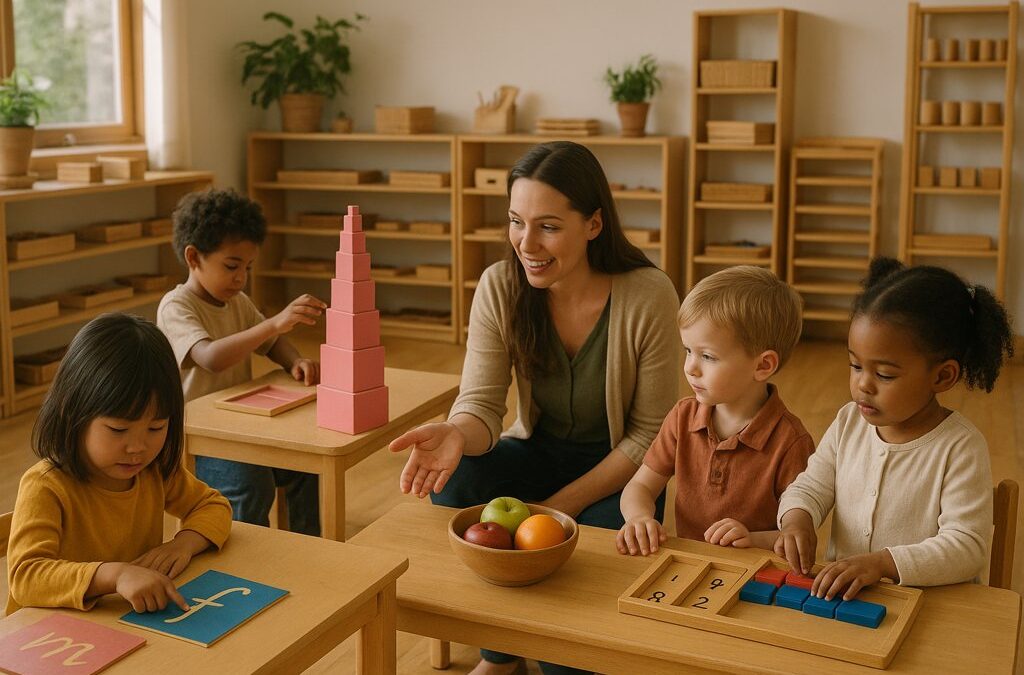
| Montessori-Based Programs | Mixed learning activities | Encourages self-directed learning, independence, responsibility, and practical life skills in a nurturing environment | 3-10 |
These afterschool learning programs provide a comprehensive approach that supports academic, social, and emotional growth while giving children opportunities to explore their individual talents and interests in a safe, structured, and engaging environment.
Benefits of After School Programs
Participation in after school programs offers numerous advantages for children, providing both academic and personal growth opportunities.
Academic Improvement
Structured learning time after school reinforces classroom lessons, helping children improve their academic performance. Programs focused on reading, math, and science can prevent learning gaps, support homework completion, and foster a positive attitude toward schoolwork. Regular participation in these programs also encourages discipline, responsibility, and motivation, which contribute to long-term academic success and readiness for future educational challenges.
Social and Emotional Growth
Children engage in group activities, which helps them develop teamwork, leadership, and communication skills. Afterschool learning programs also provide opportunities for building friendships, learning conflict resolution, and practicing empathy in a supportive environment. These social and emotional experiences allow children to become more confident, resilient, and adaptable in diverse settings.
Physical Health and Activity
Programs that incorporate sports and physical activity support healthy development. Exercise reduces stress, increases energy, and contributes to overall well-being. Children learn teamwork, coordination, and discipline while enjoying activities that complement academic and creative pursuits. These activities are especially important for building lifelong habits of physical activity and maintaining overall mental and physical health.
Exploration of Interests
After school programs give children the chance to explore new hobbies and interests they may not encounter during the school day. Whether it’s coding, painting, or martial arts, these activities cultivate curiosity, problem-solving, and self-expression. Exploring different areas also helps children discover their passions and can influence future academic and career choices.

Choosing the Right Program for Your Child
Selecting an appropriate after school program depends on your child’s personality, interests, and learning needs. Consider the following factors when making a decision:
Program Philosophy
Look for programs that align with your values and educational philosophy. Montessori-based programs, for example, emphasize self-directed learning, independence, and hands-on experiences. Programs that encourage curiosity, creativity, and holistic development often produce long-lasting benefits for children’s personal growth.
Schedule and Logistics
Check the program hours, transportation options, and flexibility. Ensure the program fits within your family’s routine without adding stress. A consistent schedule allows children to feel secure while maintaining a healthy balance between school, after school programs, and family time.
Staff Qualifications
Qualified and trained staff can provide safe supervision and meaningful instruction. Ask about teacher certifications, experience, and staff-to-student ratios. Staff who are passionate, supportive, and attentive can create an engaging environment where children thrive academically and socially.
Activities and Curriculum
Review the program’s curriculum and extracurricular activities. Choose programs that balance academics, creativity, physical activity, and social interaction. A diverse curriculum ensures children develop holistically while keeping them interested and motivated.
Communication and Feedback
Programs that maintain regular communication with parents and provide progress updates ensure that children’s development is closely monitored and supported. This partnership between staff and parents fosters a sense of community and accountability, enhancing the overall learning experience.
For families in Ahwatukee, programs such as those offered by Amici Montessori provide a well-rounded mix of academics, enrichment, and supervised care, ensuring children thrive while parents feel confident.
Typical Daily Schedule of an After School Program
Understanding the daily flow of an after school program can help parents anticipate their child’s experience. Here’s an example of a structured schedule for a Montessori-based after school program:
| Time | Activity | Purpose |
| 3:00 PM – 3:30 PM | Arrival & Snack | Settling in, refueling energy, and easing the transition from school to program activities |
| 3:30 PM – 4:30 PM | Homework / Academic Support | Focused learning, personalized assistance, and reinforcing school lessons for improved understanding |
| 4:30 PM – 5:15 PM | Enrichment Activity | Creative exploration (art, music, STEM) that encourages curiosity and hands-on problem solving |
| 5:15 PM – 5:45 PM | Physical Activity | Outdoor play, sports, or movement games to promote physical health, coordination, and teamwork |
| 5:45 PM – 6:00 PM | Reflection & Pick-Up | Wrap-up, discussion of achievements, and preparing children for a smooth transition home |
This balance of structured learning, enrichment, and physical activity encourages a positive after school experience and helps children develop new skills in multiple areas while maintaining engagement and enjoyment throughout the program.
Frequently Asked Questions (FAQs)
How can I choose the right after school program for my child?
Consider your child’s interests, the program’s philosophy, staff qualifications, activities offered, and schedule compatibility. Observing a trial day can also provide insight into how your child adjusts and thrives in the program.
Are after school programs safe for children?
Yes, reputable programs maintain safety standards, trained staff, secure facilities, and clear supervision policies. Safety, consistent routines, and structured activities ensure children are protected while engaged in meaningful learning experiences.
Can after school programs help with homework and school performance?
Absolutely. Afterschool learning programs often include dedicated time for homework help, tutoring, and academic reinforcement. This structured support encourages accountability, improves grades, and fosters confidence in schoolwork.
Are Montessori-based after school programs different from traditional programs?
Montessori-based programs focus on self-directed learning, independence, hands-on activities, and individualized support, while traditional programs may follow a more structured or group-based approach. This encourages children to become responsible, curious, and capable learners.
Conclusion
After school programs in Ahwatukee provide children with structured learning, creative enrichment, social development, and physical activity. By understanding the types of programs, daily schedules, and benefits, parents can choose the right program to support their child’s growth. Afterschool learning programs, particularly those following Montessori principles, offer a balanced approach that nurtures both academic and personal development.
For more information on after school programs in Ahwatukee, including Montessori-based options, visit Amici Montessori. Exploring these programs ensures children thrive academically, socially, and emotionally while parents gain peace of mind knowing their children are engaged, challenged, and supported in a safe and nurturing environment.