A child development center focuses on basic care, socialization, and age-appropriate activities in a group setting, while a Montessori school follows a specific educational philosophy built on self-directed learning, mixed-age classrooms, and hands-on materials. The difference comes down to structured curriculum versus custodial care — and for Ahwatukee families, that distinction shapes your child’s entire early education experience.
📍 Key Takeaways
- Montessori vs. Daycare: Daycare focuses on custodial care, while Montessori prioritizes structured, self-directed learning.
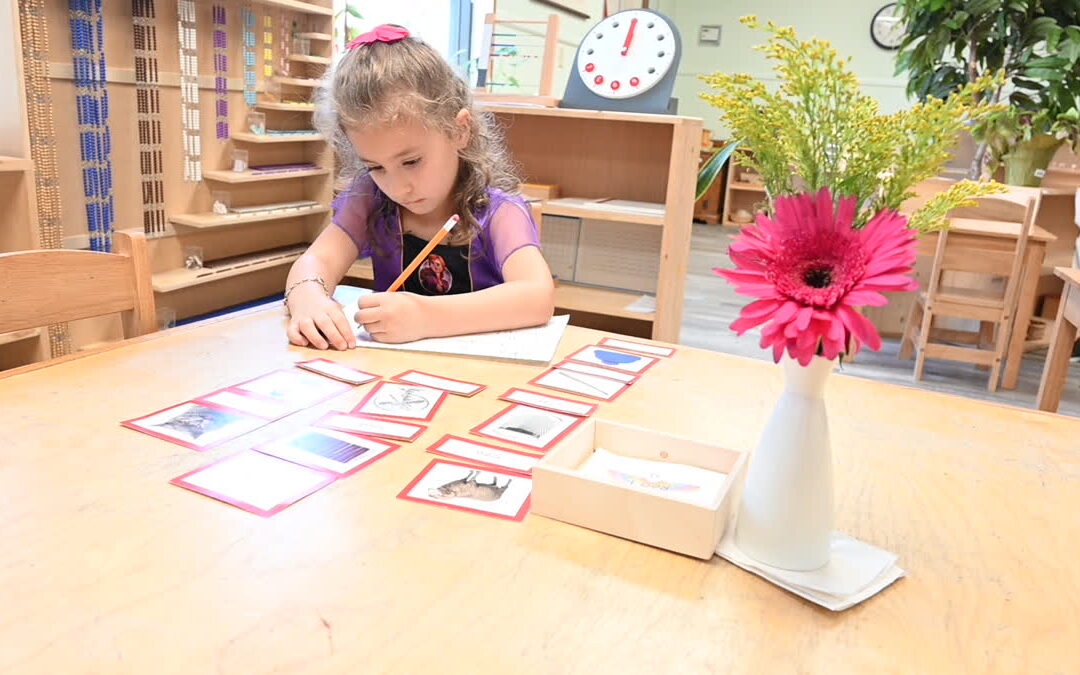
- Classroom Design: Montessori environments are calm, intentional spaces designed for independence.
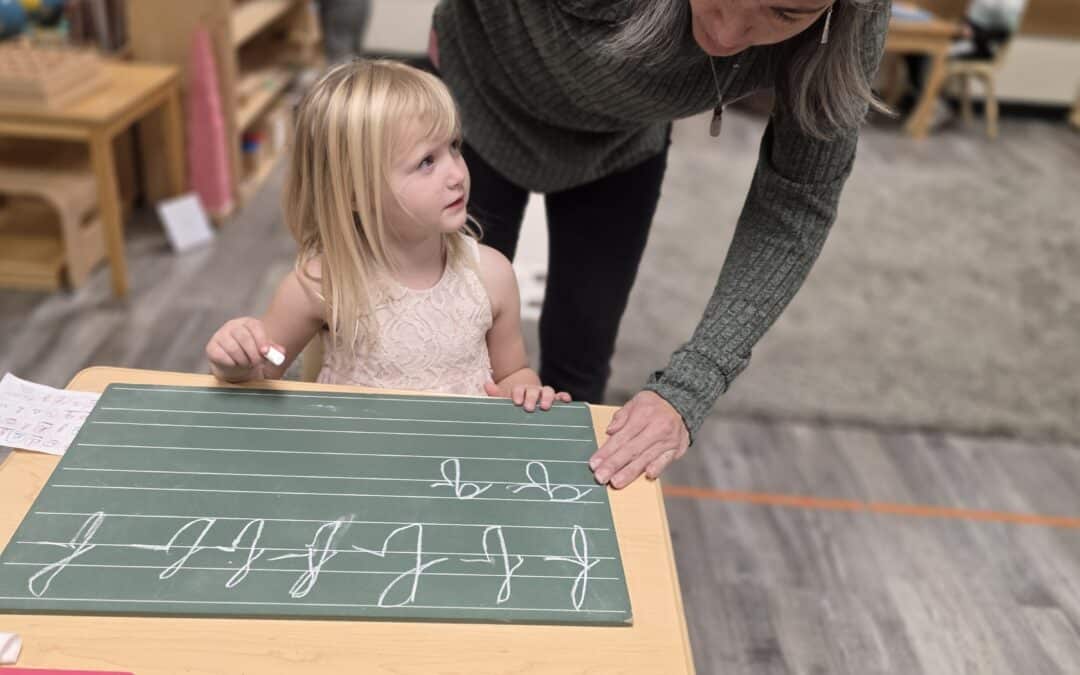
- Teaching Philosophy: Montessori teachers act as guides, observing children to facilitate growth.
- Individualized Growth: Mixed-age classrooms foster leadership, empathy, and academic success at every child’s own pace.
Parents in the Chandler Boulevard corridor, South Mountain, and Ahwatukee Foothills often ask us: “What’s the difference between a daycare and a Montessori school?” It’s a fair question — from the outside, both involve young children in a classroom. But the philosophy, teacher training, classroom design, and outcomes are fundamentally different. At Amici Trilingual Montessori, we believe understanding these differences helps parents make the best choice for their family.
What Is a Child Development Center?
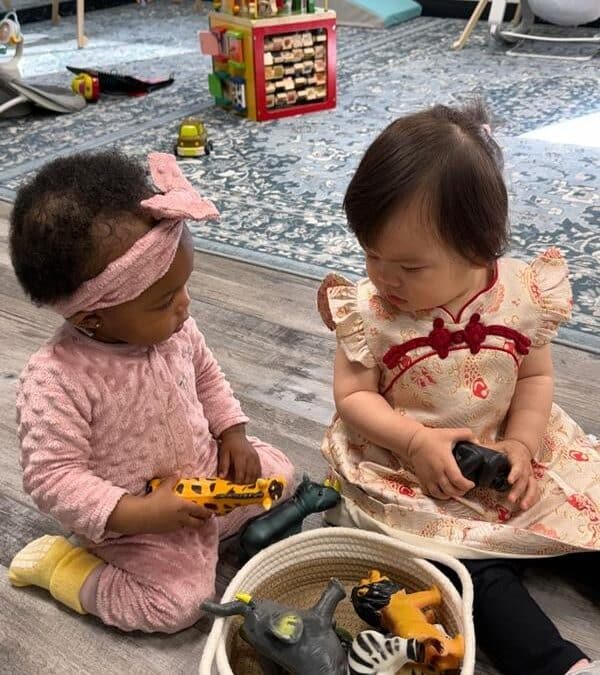
Child development centers — sometimes called daycares, childcare centers, or early learning centers — provide supervised care for children during working hours. Many centers in the Phoenix metro area offer structured activities like circle time, arts and crafts, outdoor play, and basic pre-academic skills like letter recognition and counting.
The quality of a child development center depends largely on the individual facility. Some offer excellent programming with trained educators, while others focus primarily on custodial care. In Arizona, child development centers must meet DHS licensing requirements for safety, ratios, and facility standards, but there’s no required educational philosophy or curriculum framework.
What Makes Montessori Education Different?
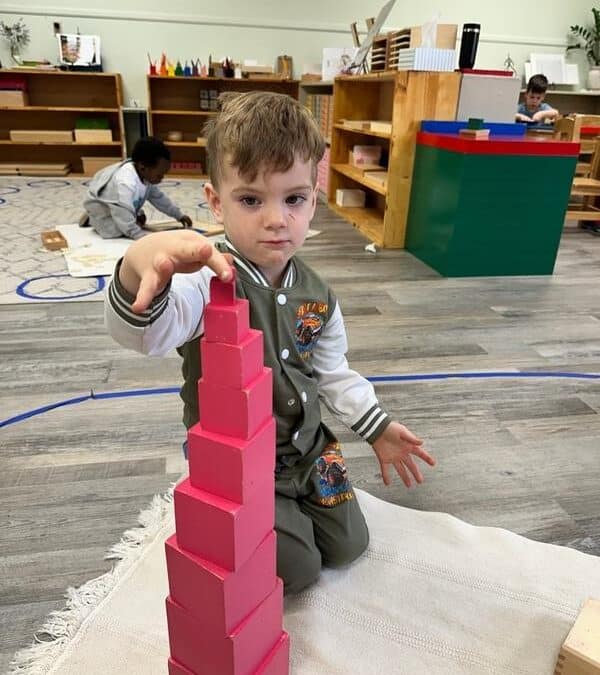
The Montessori method, developed by Dr. Maria Montessori over a century ago, is built on a core belief: children learn best when they can choose their own activities within a carefully prepared environment. This isn’t “free play” — it’s structured freedom, where every material in the classroom has a specific learning purpose and children are guided by trained Montessori educators.
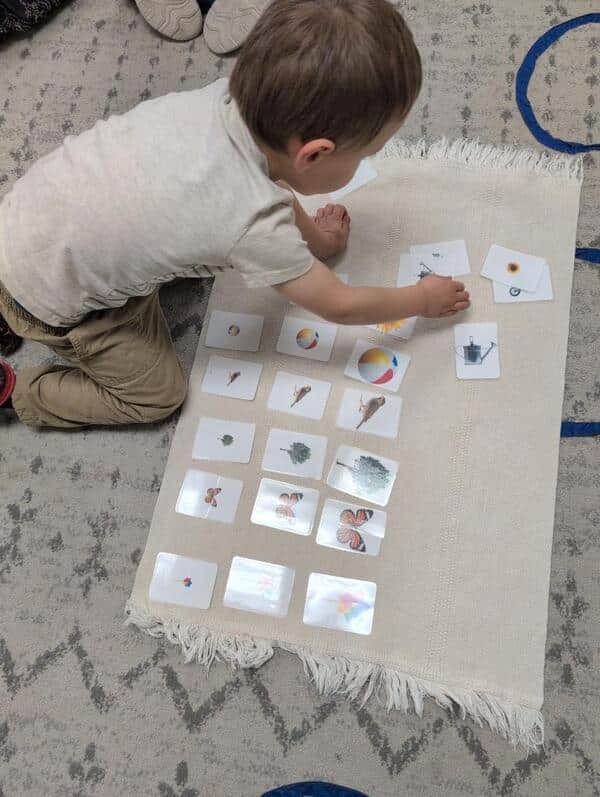
- Self-directed learning: Children choose their work from open shelves of materials, building concentration and confidence.
- Mixed-age classrooms: Grouping children in three-year spans mirrors real-world social dynamics, building leadership and empathy.
- Hands-on materials: Every material is designed to teach a specific concept, allowing for concrete-to-abstract learning.
Side-by-Side Comparison
| Feature | Child Development Center | Montessori School |
|---|---|---|
| Curriculum | Teacher-directed, set schedule | Self-paced, child-led |
| Teacher Role | Leader/Instructor | Guide/Observer |
| Environment | Bright colors, standard toys | Calm, natural, prepared |
Frequently Asked Questions
Montessori and daycare serve different purposes. Daycare focuses on safe, reliable care, while Montessori offers an intentional, structured educational framework. For families prioritizing independence, academic foundation, and critical thinking, Montessori is often the preferred choice.
It involves self-directed learning in a “prepared environment.” Teachers act as guides, and children work with hands-on materials to explore concepts like math, language, and practical life skills at their own pace.
Learning in Mandarin, Spanish, and English simultaneously builds unparalleled cognitive flexibility, improves executive function, and provides a significant advantage for a child’s future in a global economy.
Yes, Amici Trilingual Montessori is an ESA-eligible school. Arizona families can use ESA funds to cover tuition for our kindergarten through 2nd grade programs, making premium education accessible.
See the Montessori Difference in Person
Tour Amici Trilingual Montessori and experience what makes Montessori education special — calm classrooms, engaged children, and learning in three languages.