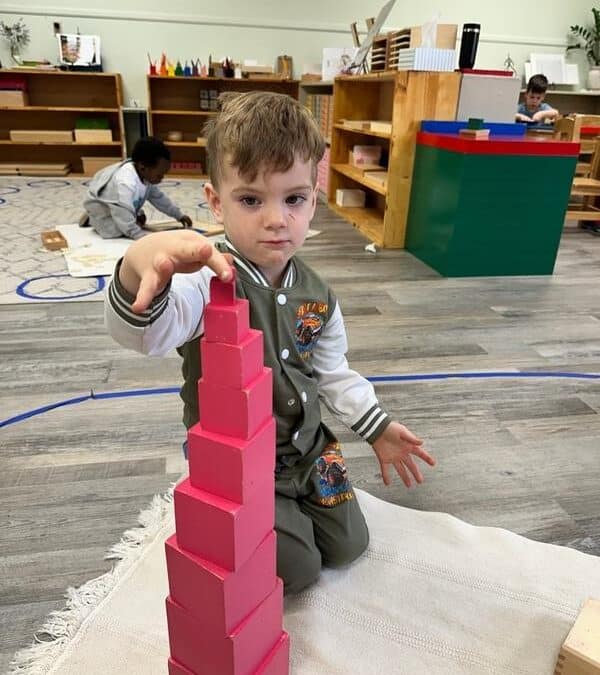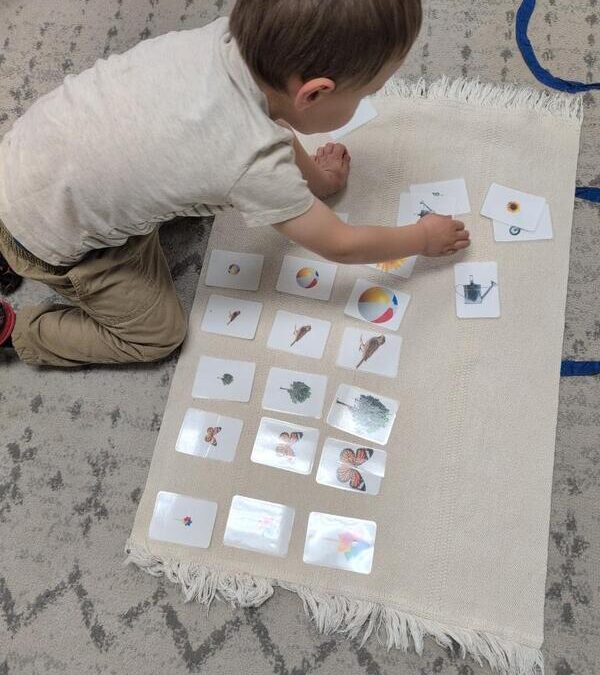
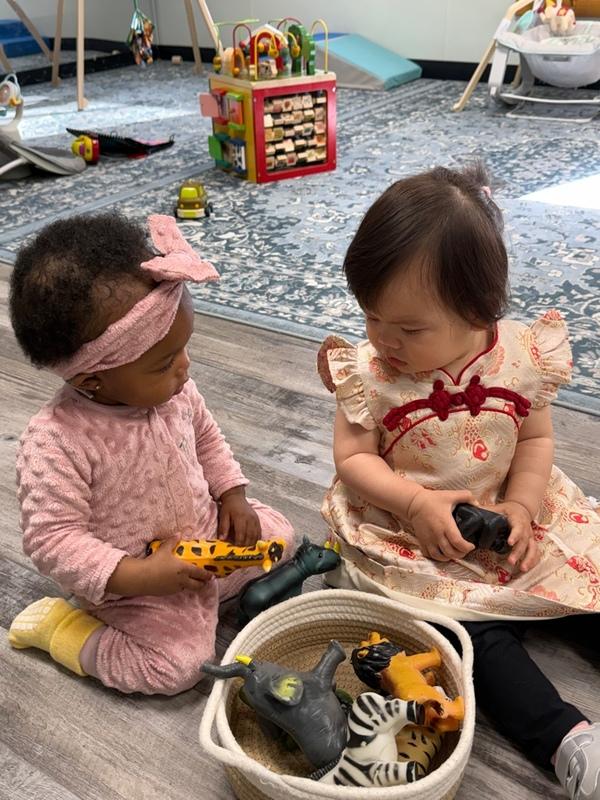
To choose the right daycare or preschool for your child, ask questions that reveal the program’s safety protocols, teacher engagement style, and long-term developmental approach. Critical areas to investigate include teacher-to-child ratios, staff retention, conflict resolution philosophy, safety procedures, and daily curriculum structure. Observing classrooms in person helps confirm these standards align with your family’s needs.
📌 Key Takeaways
- ✅ Discover the best practices for your child’s development.
- ✅ Learn how our programs support early education.
- ✅ Practical tips you can apply at home.
50 Essential Questions to Ask on Your Daycare or Preschool Tour
By Sean Diana, Educator with 20+ years of experience
Choosing the right childcare environment is one of the most significant decisions you will make as a parent. Whether you are searching for your first infant care provider or looking for a preschool that aligns with your child’s emerging developmental needs, the tour is your best opportunity to see behind the scenes. As an educator with over two decades in the field, I have walked through hundreds of schools. Parents often ask me, “What are the most important things to look for when touring?” My answer is always the same: ask thoughtful, probing questions that reveal the facility’s philosophy, safety protocols, and daily engagement style.
You aren’t just shopping for a service; you are interviewing a partner in your child’s early education journey. Many parents feel nervous during tours, worried they might miss something important. That is why I have compiled this comprehensive guide. We will look at 50 essential questions to ask on your daycare tour, organized to help you get the most out of your visit. Below, you will find a prioritized checklist of the top 10 most critical questions to get you started, followed by a deeper dive into specific categories.
The Top 10 Critical Questions (Printable Checklist)
If you only have time for a quick visit, ensure you ask these ten questions first. Take a screenshot of this list to have it ready on your phone during your visit.
- 1. What is your teacher-to-child ratio, and do you exceed state requirements?
- 2. How do you handle emergencies and what are your safety/security protocols?
- 3. How do you communicate with parents regarding my child’s daily progress?
- 4. What is the daily schedule, and how much flexibility is built in for individual needs?
- 5. How do you manage staff turnover and professional development?
- 6. What is your philosophy on discipline and conflict resolution?
- 7. How are meals and snacks handled, and do you accommodate food allergies?
- 8. How do you handle napping and sleep safety?
- 9. What is your specific approach to potty training?
- 10. Can I observe a classroom in session to see interactions?
When you are ready to see a truly prepared environment where these standards are the baseline, book a tour at Amici Montessori to see these practices in action.
Safety & Security
Safety is the non-negotiable foundation of any quality program. When you tour, look for the details that go beyond just a locked door. You want to see a culture of safety that is deeply embedded in the staff’s daily behaviors. Ask these questions to gauge their commitment to security.
- What are your building access procedures (e.g., keypads, buzzers, authorized pickups)?
- How do you vet your staff (e.g., background checks, reference requirements)?
- What is your procedure for reporting and handling minor injuries?
- How do you manage sign-in and sign-out protocols to ensure accountability?
- What is your policy on visitors and non-staff members in the classroom?
- How often do you conduct safety drills (fire, severe weather, lockdown, etc.)?
- Are all staff members currently certified in pediatric CPR and First Aid?
- How is your outdoor play area secured and maintained to prevent accidents?
- What is your policy for administering medication during the school day?
- How do you ensure cleaning and sanitation standards are met throughout the day?
Staff & Caregivers
The quality of your child’s experience rests almost entirely on the shoulders of their caregivers. You want a team that is not just present, but deeply engaged and supported by leadership. A school that invests in its teachers is investing in your child. When discussing ratios, keep in mind that at Amici Montessori, our infant program consistently exceeds state standards, providing more individualized attention than the bare minimum.
- How long have your lead teachers been with the program on average?
- What specific training and education do your teachers receive before being lead?
- How do you support staff wellness to ensure they are mentally present for children?
- What is your process for resolving disagreements or concerns between staff members?
- How do you ensure continuity of care when a regular teacher is absent?
- What is your typical teacher-to-child ratio in this specific age group?
- How do you facilitate teamwork and communication among the staff to ensure consistency?
- What opportunities exist for staff to pursue further professional education?
- How do you encourage teachers to proactively build relationships with individual families?
- How do you ensure that staff members are fully aligned with your school’s core mission?
Curriculum & Daily Schedule
A great daycare is not just a place to watch children; it is a place for them to grow and explore. You should look for intentional learning, not just “free play.” Quality programs provide a structured environment that fosters curiosity. If you are curious about why structure matters and how it benefits cognitive development, you can read more about Montessori vs. Daycare: What’s better for early development?
- What is your primary educational philosophy (e.g., Montessori, play-based, traditional)?
- How do you introduce new, complex concepts to children in an age-appropriate way?
- What does a typical day look like for a child in this age group?
- How do you balance structured learning sessions with creative, open-ended play?
- What role does technology play in the daily curriculum, if any?
- How do you incorporate trilingual immersion into the daily classroom routine?
- How is the classroom physically organized to encourage child independence?
- How do you handle transitions between activities to minimize stress?
- How are individualized learning plans developed to meet each child’s unique needs?
- How do you document developmental progress for parents to review throughout the year?
Questions to Ask Infant Daycare Providers
Searching for care for an infant is a unique challenge. You need to know that your baby will be held, comforted, and stimulated in a safe environment. Infant care requires a high level of responsiveness and specific protocols that ensure your baby is thriving while you are away. You can explore our specific infant program details to see how we approach this delicate developmental stage.
- How are daily feeding schedules managed (on-demand vs. set school schedules)?
- What is your policy on holding and soothing babies who are distressed?
- How often are diapers checked and changed throughout the day?
- Where will my infant sleep, and what are your SIDS prevention protocols?
- How do you handle breast milk storage, thawing, and bottle feeding?
- How do you incorporate floor time and developmental stimulation?
- How do you handle teething symptoms or minor discomforts?
- What is your policy for when a baby is crying and needs extra comfort?
- How do you ensure the infant room remains a calm, quiet, and peaceful environment?
- How is the infant classroom disinfected and cleaned to prevent illness spread?
Food, Naps, & Potty Training
These daily routines are the bedrock of a child’s physical health and comfort. Getting these details right allows the child to focus on learning and socializing rather than physical stress.
- How do you handle severe food allergies and specific dietary restrictions?
- Are meals prepared on-site by a nutritionist, or are they brought from home?
- How do you encourage children to explore and try new, healthy foods?
- How do you handle nap time for children who have moved past the nap stage?
- What are your policies for children who struggle to fall asleep during nap time?
- How do you approach the potty training process when the child is ready?
- How do you communicate accidents or developmental milestones with parents?
- What is your policy on snacks—how often, and what type of foods are served?
- How do you ensure a calm, relaxing, and social atmosphere during mealtime?
- What do you do if a child refuses to eat what is served at lunch?
Frequently Asked Questions
What is the most important question to ask on a daycare tour?
Ask about staff retention and teacher support: “How long does the average teacher stay here, and how do you support your staff?” Low turnover is the strongest indicator of a secure, predictable, and well-managed school.
What are key red flags when touring a preschool?
Look for teachers who are disengaged or not interacting with children at eye level, a chaotic or unclean environment, lack of clear safety protocols, or staff members who cannot clearly explain their educational philosophy or conflict resolution methods.
Should I tour with my child?
Touring with your child can be helpful to observe how staff interact with them, but a second tour without your child often allows you to focus more fully on asking questions and observing the classroom environment without distractions.
How many schools should I tour?
Tour at least 3-5 schools to get a sense of what’s available and how different philosophies compare. This range helps you distinguish between standard practices and what truly differentiates high-quality programs like Amici Montessori.
Searching for the right fit for your family? We invite you to schedule a tour with Amici Montessori today.
“Early childhood education is the key to the betterment of society.”