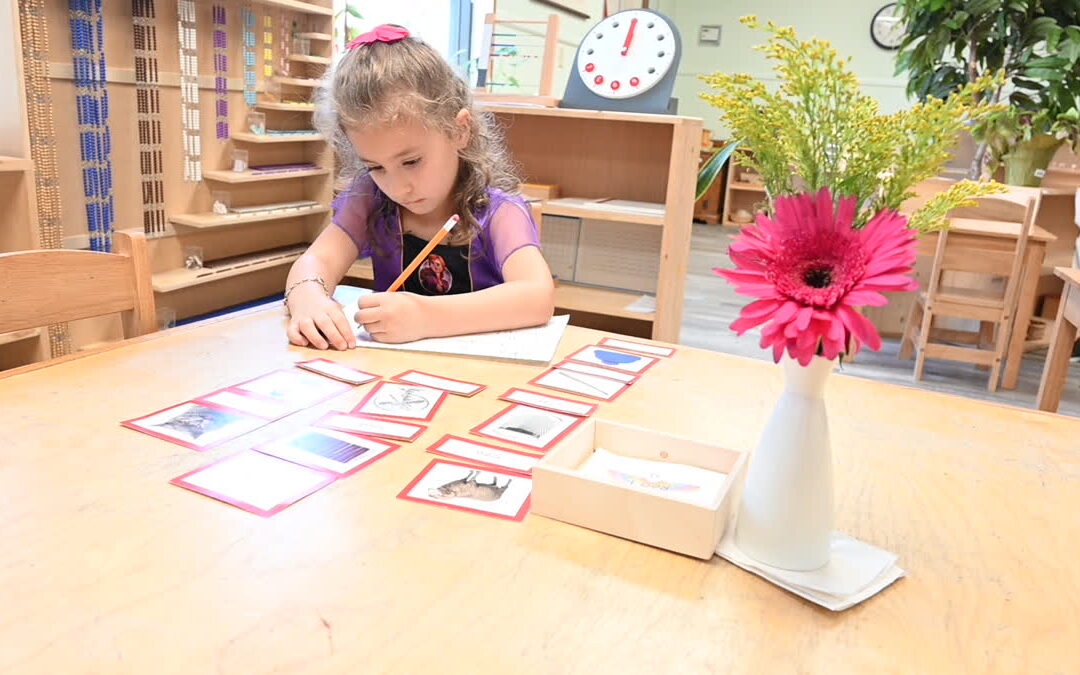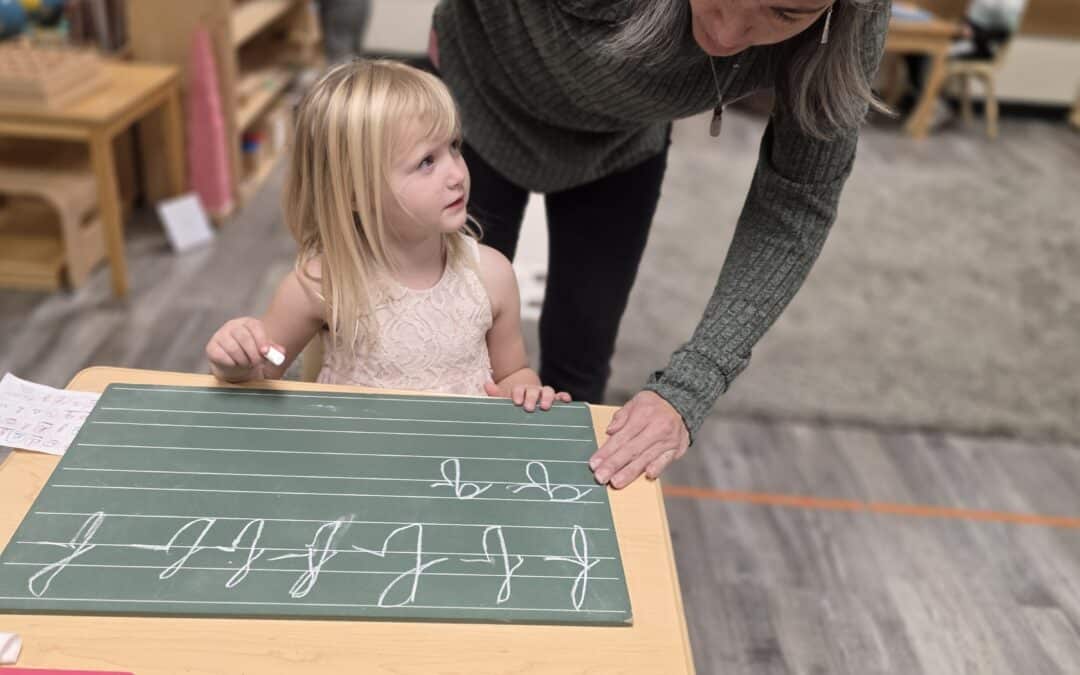
Effective strategies include: (1) using visual aids and bilingual materials, (2) creating consistent routines with clear instructions in both languages, (3) fostering peer support through language buddies, (4) providing scaffolded differentiated instruction, (5) incorporating technology and multimedia resources, (6) celebrating cultural diversity, (7) partnering with families through bilingual communication, (8) implementing frequent formative assessment, (9) creating safe spaces for language risks, and (10) leveraging hands-on collaborative learning.
📚 Related: Learn more about our Spanish Immersion Preschool program — how it works from infants through 2nd grade, the research behind it, and how to enroll.
Understanding the Needs of Dual Language Learners
At Amici Montessori, we understand the unique challenges and incredible benefits of nurturing dual language learners. These young students are navigating the complexities of learning two languages simultaneously, which can enhance their cognitive abilities and cultural awareness.
However, without the right support, they might face difficulties in keeping up with their peers. This blog aims to provide teaching strategies early childhood educators can use to effectively support dual language learners in the classroom, ensuring their educational journey is both enriching and enjoyable.
Create a Welcoming and Inclusive Environment
A welcoming and inclusive environment is fundamental for the success of dual language learners. When students feel safe and valued, they are more likely to participate and engage in classroom activities. Here are some ways to create such an environment at Amici Montessori:
- Celebrate Cultural Diversity: Display posters, books, and artifacts from various cultures represented in your classroom. This not only makes dual language learners feel included but also educates other students about different cultures.
- Learn Basic Phrases in Students’ Native Languages: Even simple greetings or common classroom commands in the students’ native languages can go a long way in making them feel understood and respected.
- Create a Safe Space for Mistakes: Encourage students to take risks with their language learning. Praise their efforts and gently correct mistakes to foster a positive learning environment.
By implementing these strategies, educators at Amici Montessori can help dual language learners feel more at home and ready to take on new challenges.
Incorporate Visual Aids and Multimedia Resources
Visual aids and multimedia resources are powerful tools in a dual-language classroom. They can bridge the gap between languages and make complex concepts more accessible. At Amici Montessori, we can enhance learning by integrating the following resources:
- Visual Schedules and Labels: Use pictures alongside words on classroom schedules and labels. This helps dual language learners understand routines and the names of objects in both languages.
- Interactive Whiteboards: Utilize interactive whiteboards to display videos, images, and educational games that support dual language learners’ activities.
- Storytelling with Pictures: Read bilingual books that include vivid illustrations. Discuss the pictures and ask students to describe them in both languages.
These resources not only support dual language learners but also make the learning process more engaging and enjoyable for all students.
Use Bilingual Books and Materials
Providing bilingual lesson plans and materials can significantly benefit dual language learners. At Amici Montessori, our goal is to create a rich, supportive environment where every student thrives. Here’s how bilingual resources can help:
- Access to Content in Both Languages: Bilingual books allow students to see and hear the same content in both languages, reinforcing their understanding.
- Language Comparisons: Encourage students to compare words and sentence structures between the two languages. This can deepen their understanding and appreciation of both languages.
- Parental Involvement: Send home bilingual books for parents to read with their children. This encourages family involvement and supports language learning outside the classroom.
By incorporating bilingual strategies into our curriculum, we can ensure that our dual language learners have the tools they need to succeed academically and socially.
Encourage Peer Support and Interaction
Peer support and interaction are crucial for the development of dual language learners. At Amici Montessori, fostering a collaborative learning environment can help students practice their language skills in a natural setting. Consider the following strategies:
- Peer Tutoring: Pair dual language learners with bilingual peers who can provide support and model language use.
- Group Activities: Organize activities that require collaboration, such as projects or games, encouraging students to communicate in both languages.
- Language Buddies: Assign language buddies who can help each other with homework and classroom tasks, reinforcing their learning.
These interactions not only improve language skills but also build social connections and confidence among students.
Implement Consistent and Clear Routines
Consistency and clarity in classroom routines are essential for dual language learners. At Amici Montessori, we emphasize the importance of predictable routines to help students feel secure and focused. Here’s how to implement effective routines:
- Daily Schedules: Use visual schedules that include pictures and words in both languages. This helps students understand and anticipate the flow of the day.
- Clear Instructions: Provide clear, simple instructions and repeat them in both languages. Use gestures and visual aids to reinforce understanding.
- Routine Check-ins: Regularly check in with dual language learners to ensure they understand the routines and feel comfortable.
By maintaining consistent routines, we can create a stable and supportive learning environment that allows dual language learners to thrive.
Provide Scaffolding and Differentiated Instruction
Differentiated instruction and scaffolding are key to meeting the diverse needs of dual language learners. At Amici Montessori, we tailor our teaching methods to support each student’s unique learning journey. Here are some effective techniques:
- Language Scaffolding: Break down complex tasks into smaller, manageable steps. Use visual aids, gestures, and simplified language to support understanding.
- Differentiated Activities: Design activities that cater to different proficiency levels. For example, advanced students might engage in writing exercises, while beginners focus on vocabulary building.
- Regular Feedback: Provide immediate and constructive feedback. Highlight strengths and gently guide students on areas for improvement.
These methods ensure that all dual language learners receive the support they need to progress and succeed.
Foster Family and Community Involvement
Involving families and the community in the education of dual language learners can significantly enhance their learning experience. At Amici Montessori, we strive to build strong connections between school and home. Here’s how:
- Bilingual Newsletters: Send home newsletters in both languages to keep families informed about classroom activities and how they can support their children’s learning.
- Community Events: Organize events that celebrate cultural diversity and encourage family participation, such as international potlucks or cultural fairs.
- Parent Workshops: Offer workshops for parents on how to support dual language learners at home. Provide resources and strategies they can use.
By fostering family and community involvement, we create a supportive network that extends beyond the classroom, benefiting students in their language learning journey.
Utilize Technology to Enhance Language Skills
Technology can be a powerful ally in supporting dual language learners. At Amici Montessori, we integrate various technological tools to enhance language learning. Here are some effective ways to use technology:
- Educational Apps: Use apps designed for dual language learners that offer interactive language games and exercises.
- Online Resources: Provide access to websites with bilingual content and educational videos that reinforce classroom learning.
- Digital Storytelling: Encourage students to create digital stories using multimedia tools. This can help them creatively practice both languages.
By incorporating technology, we can offer dual language learners additional avenues to practice and improve their language skills in an engaging and modern way.
Assess Progress and Adapt Teaching Methods
Regular assessment and adaptation of teaching methods are crucial for the success of dual language learners. At Amici Montessori, we continuously monitor student progress and adjust our strategies accordingly. Here’s how to effectively assess and adapt:
- Frequent Assessments: Conduct regular assessments to gauge students’ language proficiency and comprehension. Use a variety of formats, such as quizzes, oral presentations, and written assignments.
- Personalized Feedback: Provide personalized feedback that highlights strengths and areas for improvement. Use this feedback to tailor future lessons to individual needs.
- Flexible Teaching Methods: Be open to changing your teaching approach based on assessment results. Incorporate new language learning strategies and resources as needed.
By continuously assessing and adapting, we can ensure that dual language learners receive the support they need to succeed.
Frequently Asked Questions
What age is best to start dual language education?
Birth to age 7 is the optimal window for dual language acquisition. Young brains are wired for simultaneous language learning during this critical period. At Amici Montessori, we accept infants as young as 6 weeks into our trilingual immersion program, leveraging neuroplasticity when it’s strongest. Research shows children exposed to multiple languages before age 3 develop native-level fluency in both, with enhanced cognitive flexibility that persists throughout life.
Will learning two languages confuse my child or delay speech?
No. This is a persistent myth debunked by decades of research. Bilingual children may mix languages temporarily (code-switching), but this is normal linguistic behavior, not confusion. While bilingual toddlers may have slightly smaller vocabularies in each individual language initially, their total vocabulary across both languages exceeds monolingual peers. Any minor speech delays are temporary and resolved by age 5, with long-term cognitive advantages far outweighing short-term differences.
How can I support my dual language learner at home?
Consistency is key. Speak your native language at home (don’t switch to English if it’s not your strongest language). Read bilingual books together daily, label household objects in both languages, play language games, and connect with other bilingual families. Validate both languages equally—avoid suggesting one is more important. Celebrate cultural traditions tied to each language. Most importantly: be patient. Language development is non-linear; progress will come in spurts.
What if my child prefers one language over the other?
Language preference is normal and often shifts over time based on social context (school language vs. home language). Don’t force it. Instead, increase exposure to the less-preferred language through engaging activities: cooking together with recipes in that language, watching shows, playing with peers who speak it, or visiting places where it’s spoken. At Amici, we balance languages throughout the day and use the “one person, one language” approach where specific teachers consistently use specific languages.
How do you assess dual language learners without bias?
We use multiple assessment methods: portfolio-based observation (not standardized tests), authentic performance tasks in both languages, developmental checklists aligned with bilingual milestones, and parent input about home language use. Assessments occur in the child’s stronger language first to gauge true comprehension separate from language proficiency. We never compare bilingual learners to monolingual norms—that’s comparing apples to oranges. Progress is measured against their own baseline, not peers.
What qualifications should dual language teachers have?
At minimum: native or near-native fluency in the target language, early childhood education credentials (bachelor’s degree preferred), and specialized training in bilingual pedagogy or ESL/ELL strategies. At Amici Montessori, our teachers hold Montessori certifications (AMI or AMS), are native speakers of Mandarin or Spanish, and receive ongoing professional development in language acquisition research, cultural responsiveness, and differentiated instruction for multilingual learners.
Conclusion: The Path to Success for Dual Language Learners
At Amici Montessori, we are committed to supporting dual language learners through effective and proven strategies. By creating an inclusive environment, incorporating visual aids, using bilingual materials, encouraging peer support, implementing consistent routines, providing differentiated instruction, fostering family involvement, utilizing technology, and regularly assessing progress, we can ensure that every dual language learner thrives.
Amici Montessori is dedicated to nurturing the potential of every student. By embracing these strategies, we create a learning environment where dual-language learners can excel academically and socially. Visit our website to learn more about our programs and how we support young dual language learners. Together, we can make a difference in their educational journey.
Come and see the school
Amici Trilingual Montessori is a Mandarin, Spanish and English immersion Montessori school at 1244 E. Chandler Blvd., Phoenix, AZ 85048, in Ahwatukee. We are open Monday to Friday, 7:00am to 6:00pm, and we serve children from infancy through second grade.