Introduction
Choosing the right kind of early childhood care for your little one can feel overwhelming. Between the many programs, philosophies, and parenting advice out there, one question keeps coming up for parents in Ahwatukee and beyond:
Montessori vs. daycare—what’s better for early development?
Every child is unique, and so is every family’s situation. Some kids thrive with structured routines and group activities, while others need space to explore at their own pace. This blog will break down the key differences between Montessori and daycare so you can make an informed, confident decision for your child’s future.
Whether you’re a first-time parent or looking for a better fit for your growing toddler, understanding the core differences between Montessori education and traditional daycare can help you find what aligns best with your parenting goals.
Understanding Montessori Education
The Montessori method is more than just a type of preschool—it’s a philosophy of education that respects a child’s natural drive to learn. Developed by Dr. Maria Montessori over a century ago, this approach focuses on independence, choice, and a thoughtfully prepared environment.
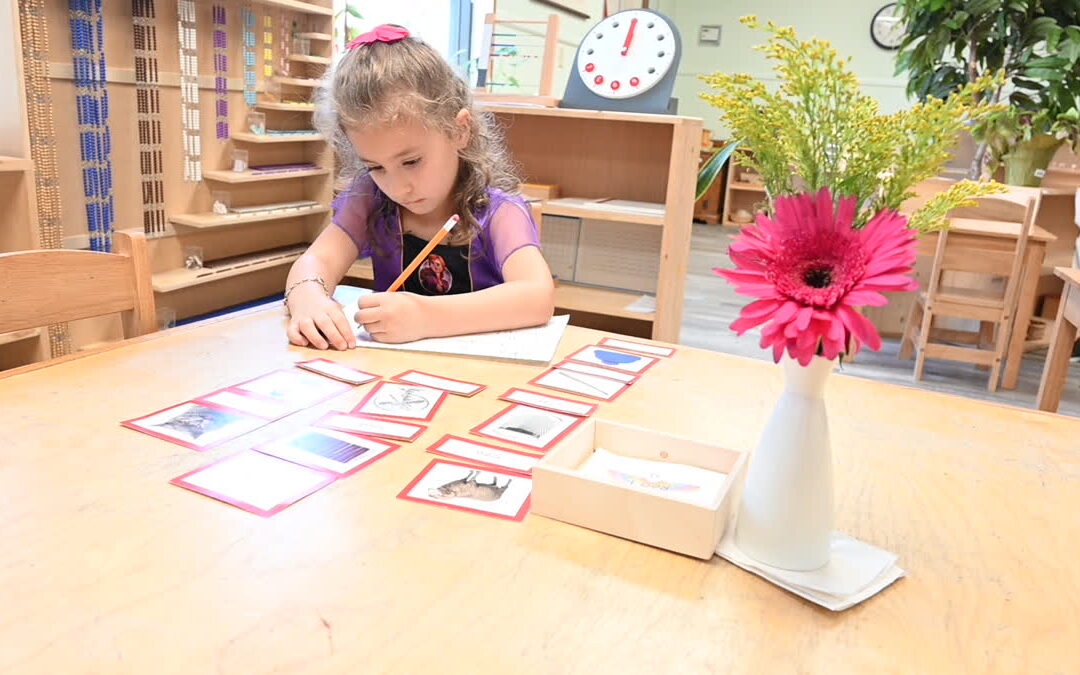
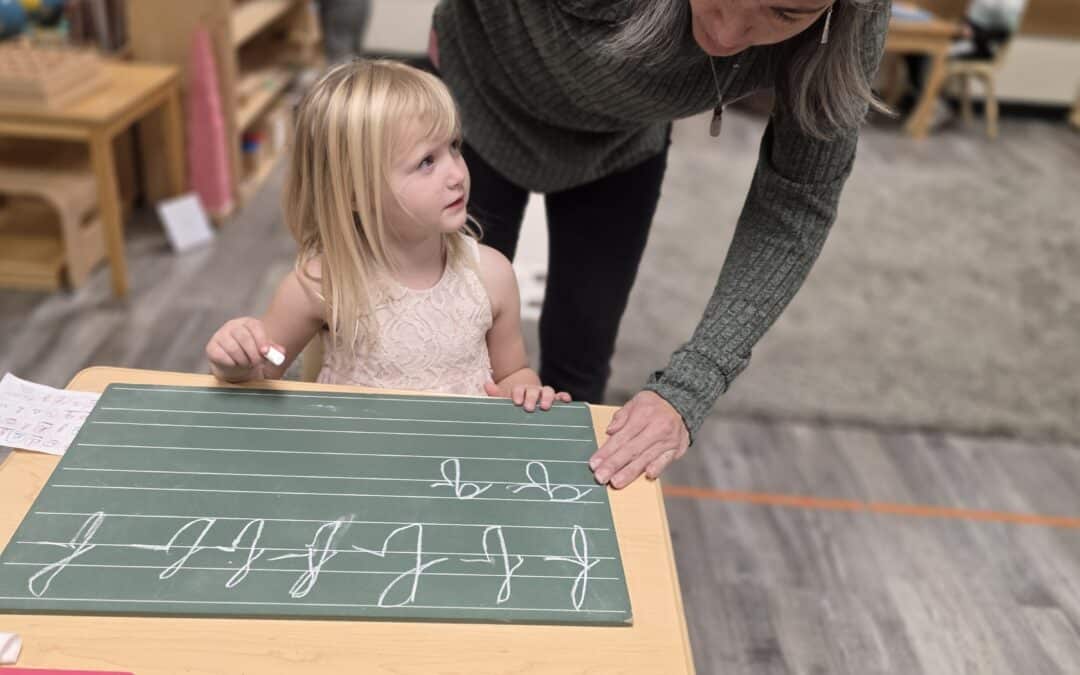
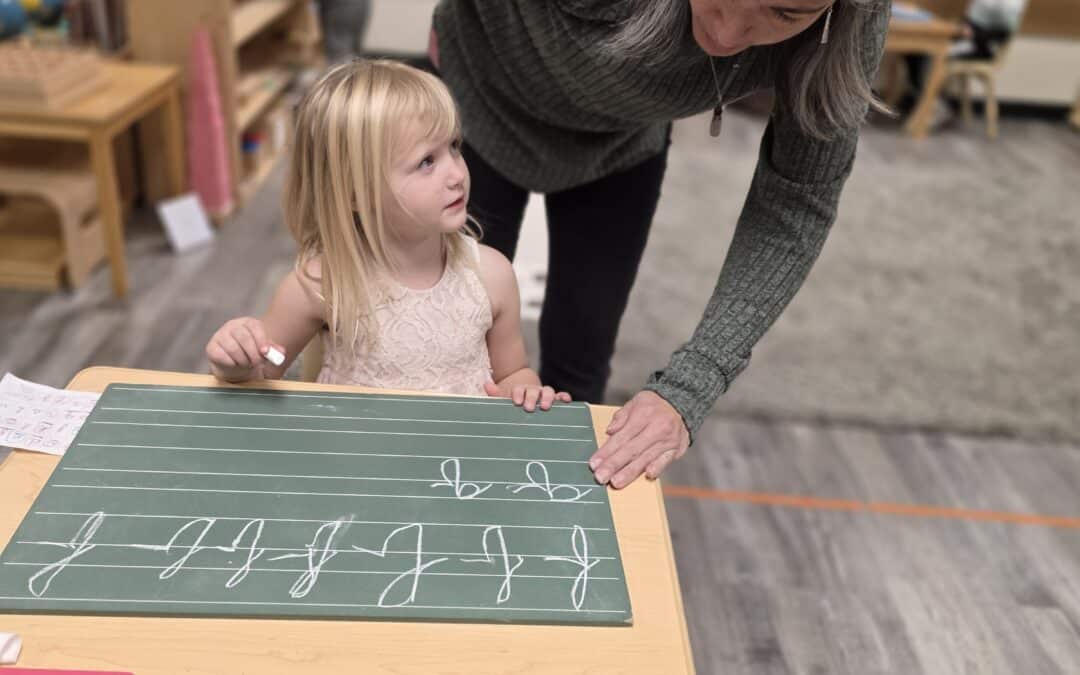
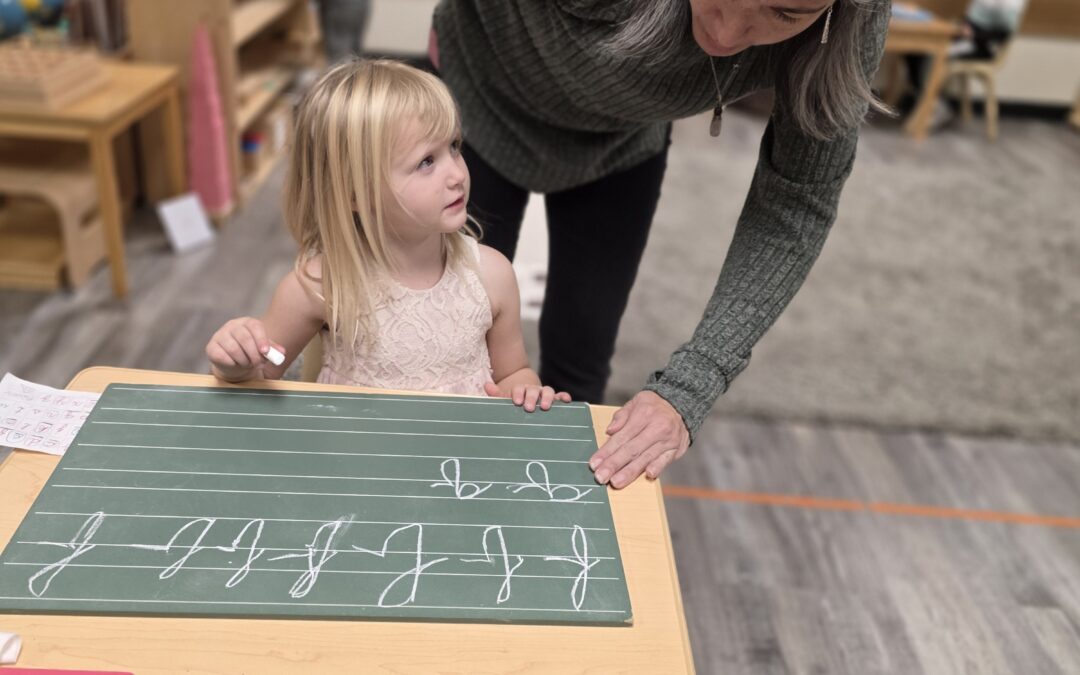
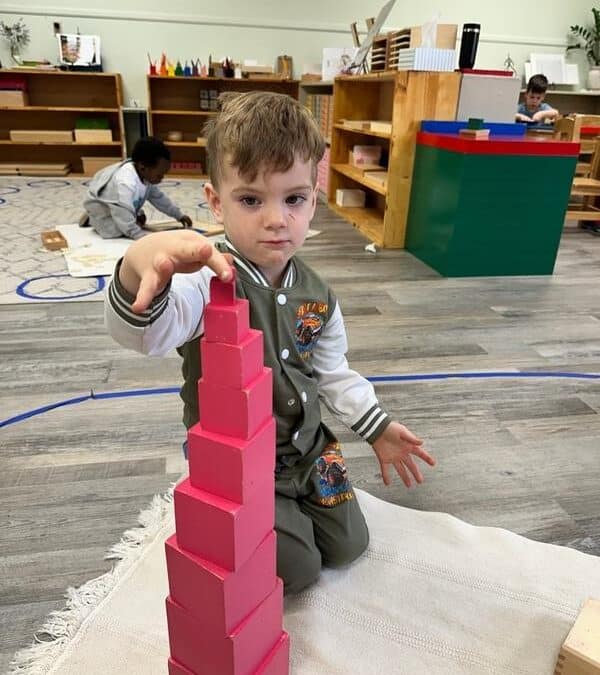
Montessori classrooms are calm, organized, and full of materials designed to engage young minds. Children are free to choose their activities, which encourages self-direction and confidence. Instead of leading a class from the front, teachers—called guides—observe and gently lead children when needed.
Key features of Montessori education include:
- Mixed-age classrooms, often grouping children in three-year spans
- Hands-on learning materials that support all areas of development
- Freedom within limits, letting children explore while maintaining structure
- Emphasis on life skills, such as dressing, pouring, cleaning, and cooking
This kind of environment nurtures cognitive development, emotional intelligence, social interaction, and fine motor skills—all at a pace that’s tailored to each child.
If you’re considering this path, take a closer look at how Amici Montessori brings the Montessori philosophy to life in Ahwatukee with well-designed spaces, experienced guides, and a warm, nurturing atmosphere.
Understanding Traditional Daycare
Daycare centers are often the go-to choice for working parents who need consistent supervision and care for their children. While they can vary in quality, most daycares focus on group activities, basic learning, and playtime. The primary goal is to provide a safe, engaging place for children while parents are at work.
In most daycare settings:
- Children are grouped by age, often in tighter ranges
- Activities are designed for entertainment and social interaction
- Teachers or caregivers follow a daily routine that may include snacks, naps, and group play
- Academic instruction is usually light or incidental
Some daycares also offer early learning elements like alphabet practice, songs, and crafts. However, the educational aspect is typically more structured around group schedules rather than individualized learning.
For families looking for infant care options in Ahwatukee, you might explore the nurturing approach offered at Amici Montessori’s infant daycare program, which combines attentive care with early developmental support.
Montessori vs. Daycare: A Side-by-Side Comparison
To truly understand what sets Montessori apart from traditional daycare, let’s break it down across key categories.
1. Learning Style
- Montessori: Child-led learning. Children choose activities that interest them and work at their own pace.
- Daycare: Teacher-directed group activities with limited flexibility for individual learning styles.
2. Curriculum Focus
- Montessori: Academic learning is integrated into hands-on, real-life tasks—math, language, science, and art are naturally woven into daily activities.
- Daycare: Learning is often informal or centered around simple play-based group activities.
3. Teacher Qualifications
- Montessori: Certified Montessori guides with specific training in child development and the Montessori method.
- Daycare: Caregivers may have early childhood education training, but specific credentials can vary widely.
4. Environment
- Montessori: Carefully prepared learning spaces that promote independence and discovery.
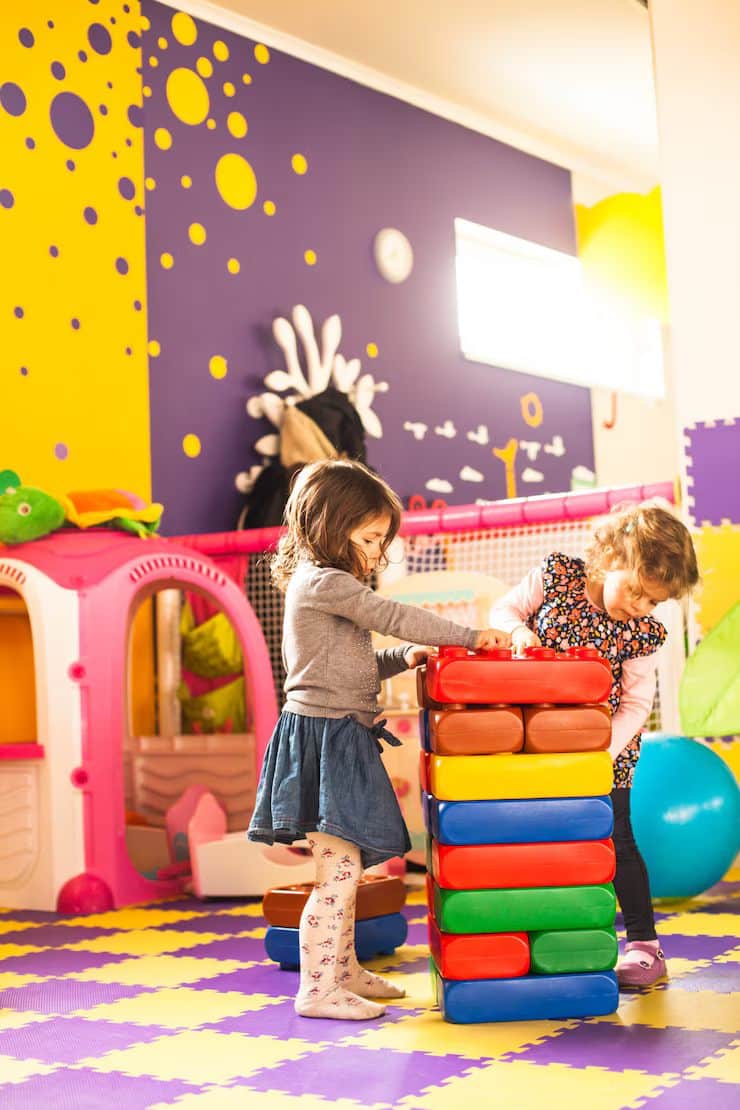
- Daycare: More traditional play areas focused on safety and entertainment.
5. Developmental Approach
- Montessori: Focus on the whole child—emotional, intellectual, physical, and social development.
- Daycare: Emphasis on basic care, safety, and socialization.
6. Social Interaction
- Montessori: Mixed-age classrooms encourage mentorship and cooperative play.
- Daycare: Same-age grouping promotes peer-level play, which is familiar but may limit opportunities for varied interaction.
Montessori can offer a deeper level of individualized development, while daycare may be better suited for families who need consistent, full-time care and value social play in group settings.
If you’re looking for the next step beyond infant care, Amici Montessori’s toddler program is thoughtfully designed for young explorers who are ready for hands-on learning and social growth.
Montessori vs. Daycare in Ahwatukee: Local Perspective
Ahwatukee is a growing and family-friendly part of Phoenix, with many options for early childhood care. When choosing between Montessori and daycare in this area, proximity, curriculum, and values all matter.
Parents here are looking not just for a place to drop their child off but for a nurturing environment that lays a strong foundation for lifelong learning. That’s why Montessori education continues to gain popularity in the local community.
For example, Amici Montessori in Ahwatukee offers programs that reflect the values of many Ahwatukee families—independence, compassion, and curiosity. Their classrooms are not only safe and inviting but also rich with purposeful materials that support all aspects of early development.
Which Option is Right for Your Child?
Every family’s needs are different, so how do you decide which path is right for your child?
Consider these questions:
- Does your child prefer quiet, focused play or more active, social play?
- Are you seeking long-term educational development or shorter-term care solutions?
- Do you value academic readiness, independence, or socialization more at this stage?
- What are your daily routines and logistical needs?
You may also want to consider visiting different facilities in person. Seeing how your child responds to each environment can provide helpful insight.
Parents often share stories of how their child blossomed in the right setting. Some children thrive in the consistency and play-based nature of daycare, while others flourish in the structured freedom of Montessori classrooms.
To get a better feel for what Montessori looks like in action, you can schedule a tour of Amici Montessori and see firsthand how the learning environment supports early development.
Common Misconceptions Debunked
Let’s clear up a few misunderstandings that often come up during this decision-making process.
“Montessori is only for wealthy families.”
While some Montessori schools can be expensive, many—including Amici Montessori—offer accessible tuition and scholarship options for local families.
“Daycare isn’t educational.”
Many daycares offer structured activities that promote early learning. The difference is often in how personalized and child-led the learning is.
“Montessori has no structure.”
Montessori classrooms are actually very structured—but the structure supports freedom, not chaos. Children are guided by routine and respectful boundaries.
“Daycare is just babysitting.”
Good daycare centers provide much more than supervision—they create social opportunities, build routine, and foster important emotional connections.
Final Thoughts: Making the Right Choice
At the end of the day, what matters most is finding a childcare approach that fits your child’s personality and your family’s goals. Both Montessori and daycare can provide a safe, loving environment—but they do so in very different ways.
If you’re looking for a setting that nurtures independence, curiosity, and holistic growth, Montessori might be the right path. It’s more than an educational method—it’s a way of supporting who your child is becoming.
Families in Ahwatukee who value early development, individualized learning, and a calm, purposeful environment often find Montessori education to be a rewarding investment in their child’s future.
And if you’re exploring options, Amici Montessori is a great place to start. Their programs are thoughtfully designed to support each stage of early childhood, from infancy to preschool. Their caring staff, certified Montessori guides, and safe, enriching classrooms make them a trusted choice among local families.
Montessori vs. Traditional Preschool: What’s the Difference?
When parents ask “Montessori or preschool?”—they’re really asking about two fundamentally different educational philosophies. While both serve young children, the difference between Montessori and traditional preschool goes far deeper than most realize.
In traditional preschools, teachers lead group activities on a set schedule. Circle time, craft projects, and teacher-directed lessons form the core of the day. Children move through activities together, following the same curriculum at the same pace. Assessment typically involves standardized checklists and periodic reports.
Montessori education flips this model entirely. Children choose their own work from carefully prepared materials, moving freely around the classroom. Montessori teachers act as guides rather than lecturers—observing each child, presenting new materials when ready, and allowing independent mastery. Instead of age-segregated classrooms, Montessori uses mixed-age groupings (typically 3-year spans) where younger children learn from older peers and older children reinforce knowledge through teaching.
The curriculum differences are equally striking. Traditional preschools often emphasize pre-academic skills through worksheets and group instruction. Montessori uses hands-on materials that isolate specific concepts—the Pink Tower for visual discrimination, the Golden Beads for concrete math understanding, practical life activities for fine motor development and independence.
At Amici Montessori, we add another distinctive element traditional preschools can’t match: trilingual immersion in Mandarin, Spanish, and English. Children don’t just learn languages—they live them, naturally absorbing three linguistic systems during the critical early years when language acquisition happens most effortlessly.
Assessment in Montessori focuses on individual progress rather than comparison to peers. Teachers maintain detailed observation records, tracking each child’s mastery of specific materials and developmental milestones at their own pace.
Why Montessori Infant Care is Different from Daycare
Many parents don’t realize that Montessori infant care exists—or that programs like Amici Montessori accept infants from 6 weeks old. But the difference between Montessori infant daycare and traditional daycare is profound from day one.
Traditional daycare for infants focuses primarily on safe supervision and basic care—feeding, diaper changes, naps, and contained play. Infants typically spend time in cribs, bouncers, or play yards, with caregivers managing multiple babies simultaneously based on regulatory ratios.
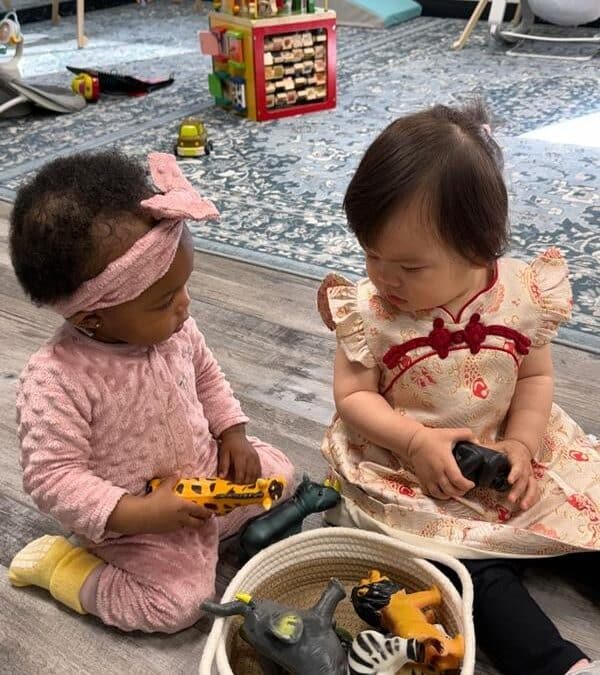
Montessori infant programs approach the first year of life as a critical period of development requiring specialized preparation. The environment itself is designed for infant exploration: low mirrors for self-discovery, mobiles positioned for visual tracking, floor beds that allow freedom of movement rather than crib confinement, and age-appropriate materials within reach.
The role of caregivers differs fundamentally. Montessori infant guides receive specialized training in infant development, observation, and respectful care practices. Rather than imposing schedules, they follow each baby’s natural rhythms for feeding, sleeping, and activity. They observe carefully to present new materials exactly when each infant shows readiness—a textured ball when grasping emerges, a simple puzzle when problem-solving begins.
Language development starts from birth in Montessori infant care. Guides speak directly to infants during every interaction, narrating activities and responding to early communication attempts. In Montessori daycare programs like Amici’s trilingual approach, even the youngest infants hear Mandarin, Spanish, and English throughout their day—building neural pathways for multilingualism during the optimal window.
Staff-to-infant ratios in Montessori programs often exceed state requirements because individualized attention isn’t just nice—it’s essential to the method. When caregivers can truly observe and respond to each infant’s unique developmental pace, babies thrive.
Ready to see the difference firsthand? Schedule a tour of our infant program and observe how Montessori infant care supports your baby’s natural development from the very beginning.
Frequently Asked Questions (FAQs)
2. Is Montessori more expensive than daycare?
Montessori programs can be slightly more expensive due to smaller class sizes and trained guides, but the long-term developmental benefits often outweigh the cost. Some schools offer financial aid or scholarships to make it more accessible.
3. Can my child transition from daycare to Montessori later?
Yes, many children move from daycare to Montessori environments. It may take some adjustment, but children are adaptable and often thrive in Montessori once they settle into the routine.
4. How do I know if Montessori is right for my child?
If your child is curious, enjoys independent play, and responds well to gentle guidance, Montessori could be a great fit. Touring a school and observing a classroom can help you decide.
5. Are there good Montessori schools in Ahwatukee?
Yes, Amici Montessori is a well-regarded option that offers authentic Montessori programs for infants, toddlers, and preschoolers. Their approach is personalized, nurturing, and rooted in respect for the child.
What is the difference between Montessori and traditional preschool?
The key differences lie in philosophy and practice. Traditional preschools use teacher-directed group instruction on a set schedule, with children following the same curriculum at the same pace. Montessori uses child-directed learning with hands-on materials, mixed-age classrooms, and individualized pacing. Teachers in traditional settings lead activities; Montessori guides observe and present materials when each child shows readiness. Assessment also differs—traditional preschools use standardized checklists, while Montessori tracks individual mastery through detailed observation. Programs like Amici Montessori add trilingual immersion (Mandarin, Spanish, English) that most traditional preschools don’t offer.
Can infants benefit from Montessori?
Absolutely. Montessori infant care (available from 6 weeks at programs like Amici Montessori) supports critical early development through prepared environments designed for exploration, freedom of movement (floor beds instead of cribs), specialized materials that match emerging abilities, and trained infant guides who follow each baby’s natural rhythms rather than imposed schedules. Research shows infants in Montessori programs develop stronger motor skills, language acquisition, and independence compared to traditional daycare settings. The first year of life is when brain development happens fastest—Montessori infant care is specifically designed to optimize this crucial period.
Is Montessori daycare worth the cost?
Montessori programs typically cost more than traditional daycare due to specialized teacher training, lower student-to-teacher ratios, carefully designed materials, and individualized attention. However, many parents find the investment worthwhile considering the long-term benefits: stronger executive function skills, intrinsic motivation to learn, advanced problem-solving abilities, social-emotional development, and academic preparation that often places Montessori graduates ahead of peers in elementary school. The question isn’t just cost—it’s value. If your child develops independence, critical thinking, and a genuine love of learning during the critical early years, the foundation pays dividends throughout their education. Visit Amici Montessori to see the difference in action and decide if it’s the right fit for your family.
Come and see the school
Amici Trilingual Montessori is a Mandarin, Spanish and English immersion Montessori school at 1244 E. Chandler Blvd., Phoenix, AZ 85048, in Ahwatukee. We are open Monday to Friday, 7:00am to 6:00pm, and we serve children from infancy through second grade.