Pre-K vs Preschool: Which Is Right for Your Child? A Phoenix Parent Guide
Pre-K and preschool are related, but they are not always the same. Preschool usually supports children across the early years with social, language, practical life, and foundational learning, while pre-K typically focuses on the year before kindergarten. At Amici Trilingual Montessori, the right fit depends on your child’s age, readiness, and need for continuity.
If you are a Phoenix parent comparing programs, the terms can feel confusing. Some schools use “preschool” for ages 3 to 5. Others use “pre-K” for older 4-year-olds. Montessori schools may group children differently because mixed-age classrooms are part of the learning model.
The important question is not which label sounds more advanced. The important question is what your child needs right now: independence, language growth, social confidence, kindergarten preparation, or a calmer path from one stage to the next.
What Preschool Usually Means
Preschool is the broader early childhood stage. It often serves children before kindergarten age and focuses on the skills children need to become confident learners.
In a strong preschool environment, children build:
- Separation confidence and classroom belonging
- Fine motor skills through hands-on materials
- Early language and conversation skills
- Grace and courtesy with peers and adults
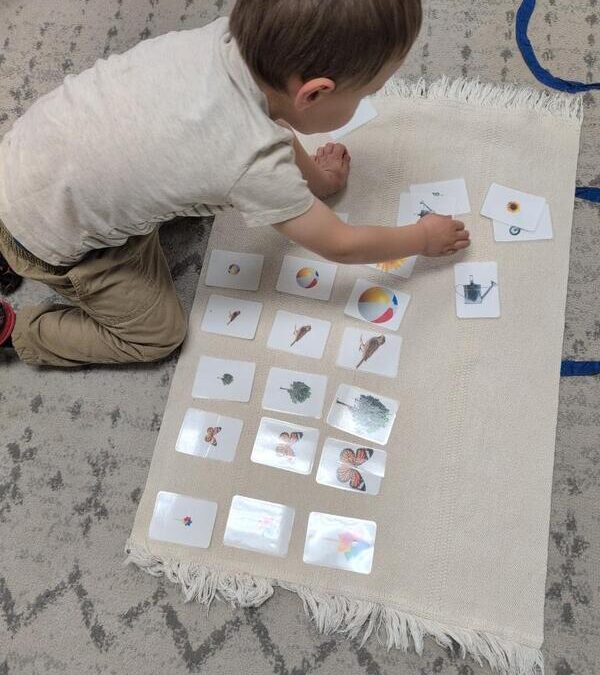
- Early math, literacy, music, movement, and cultural awareness
- Independence with daily routines
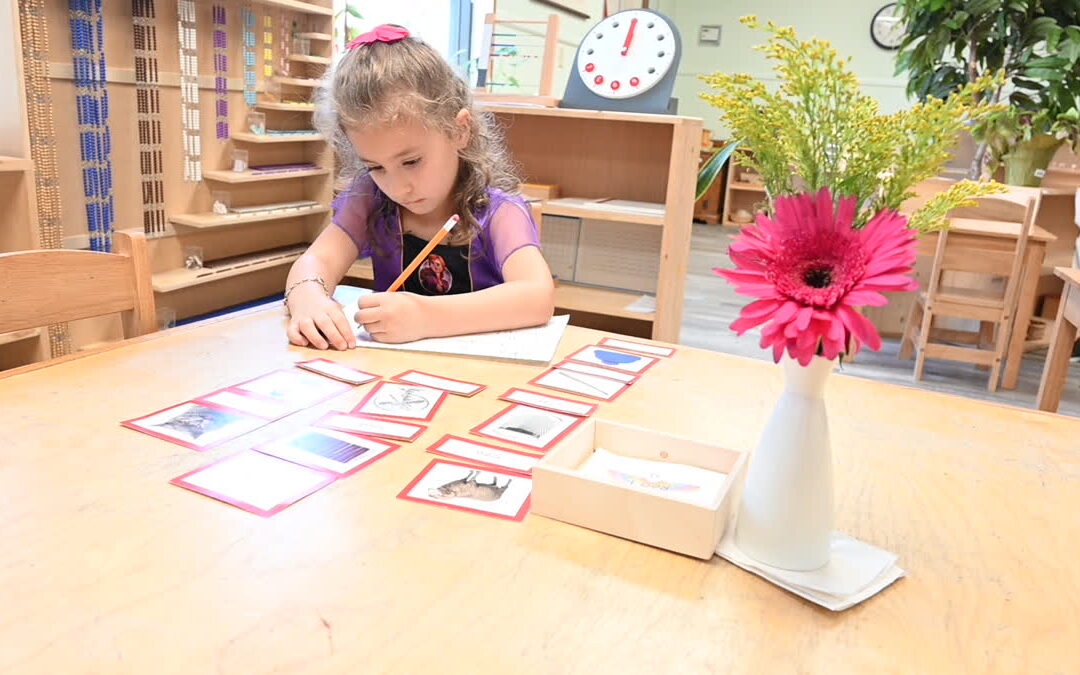
For a young child, these skills are not “extras.” They are the foundation for later academic work. A child who can choose work, listen to a teacher, clean up materials, wait for a turn, ask for help, and try again after a mistake is already building school readiness.
What Pre-K Usually Means
Pre-K usually refers to the year before kindergarten. The child is often 4 or turning 5, and parents are thinking more directly about kindergarten readiness.
Pre-K programs may place more emphasis on:
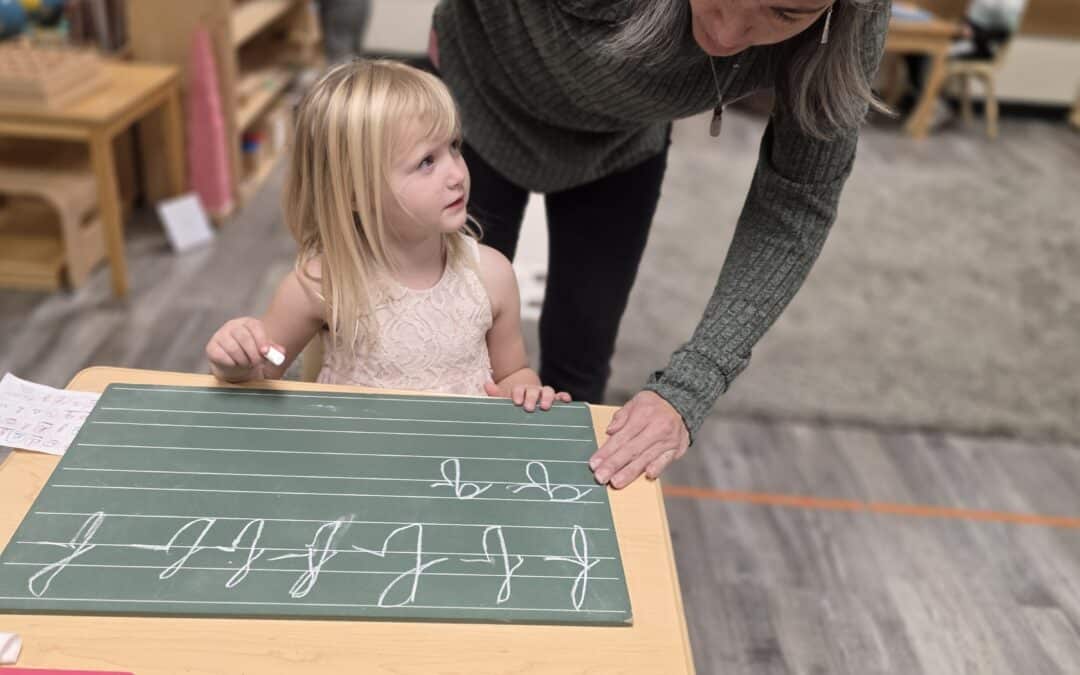
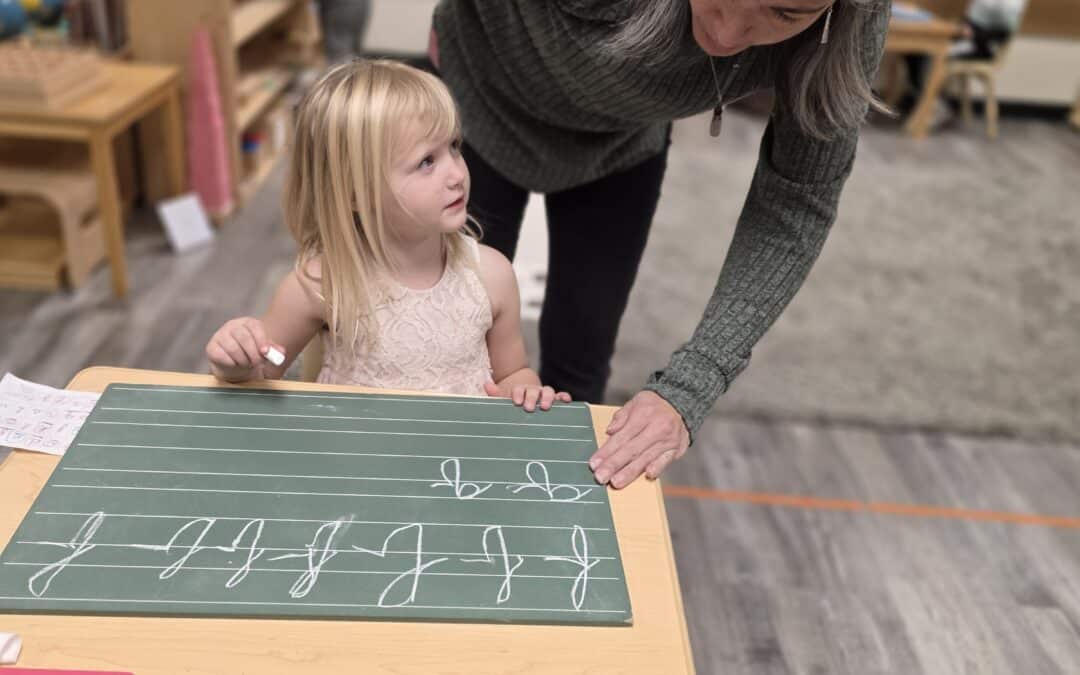
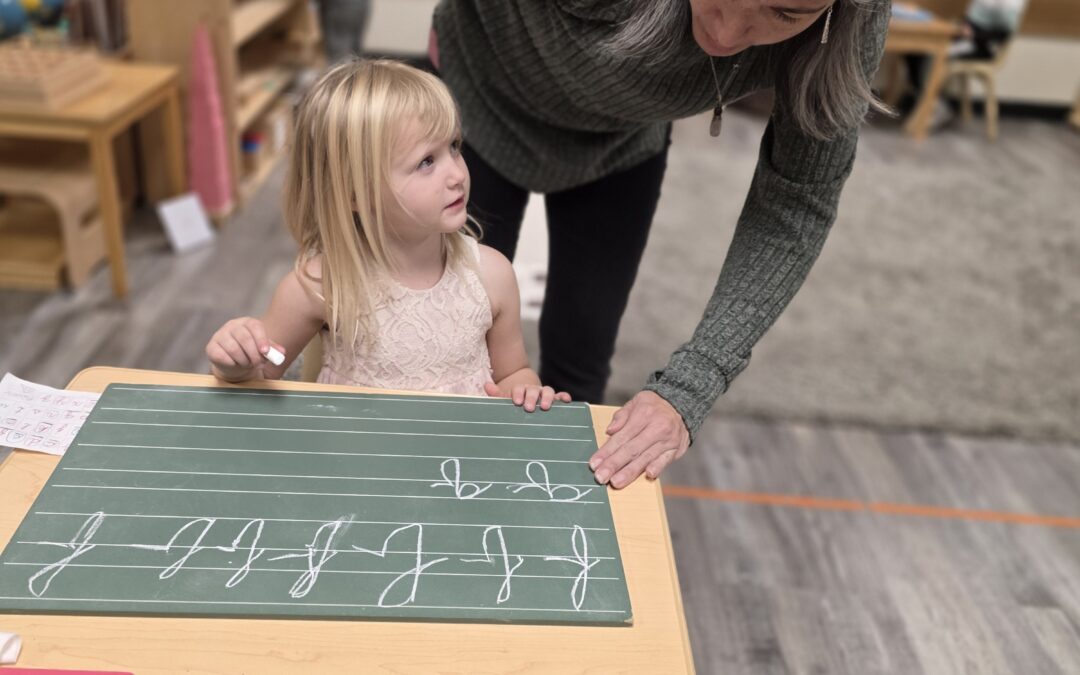
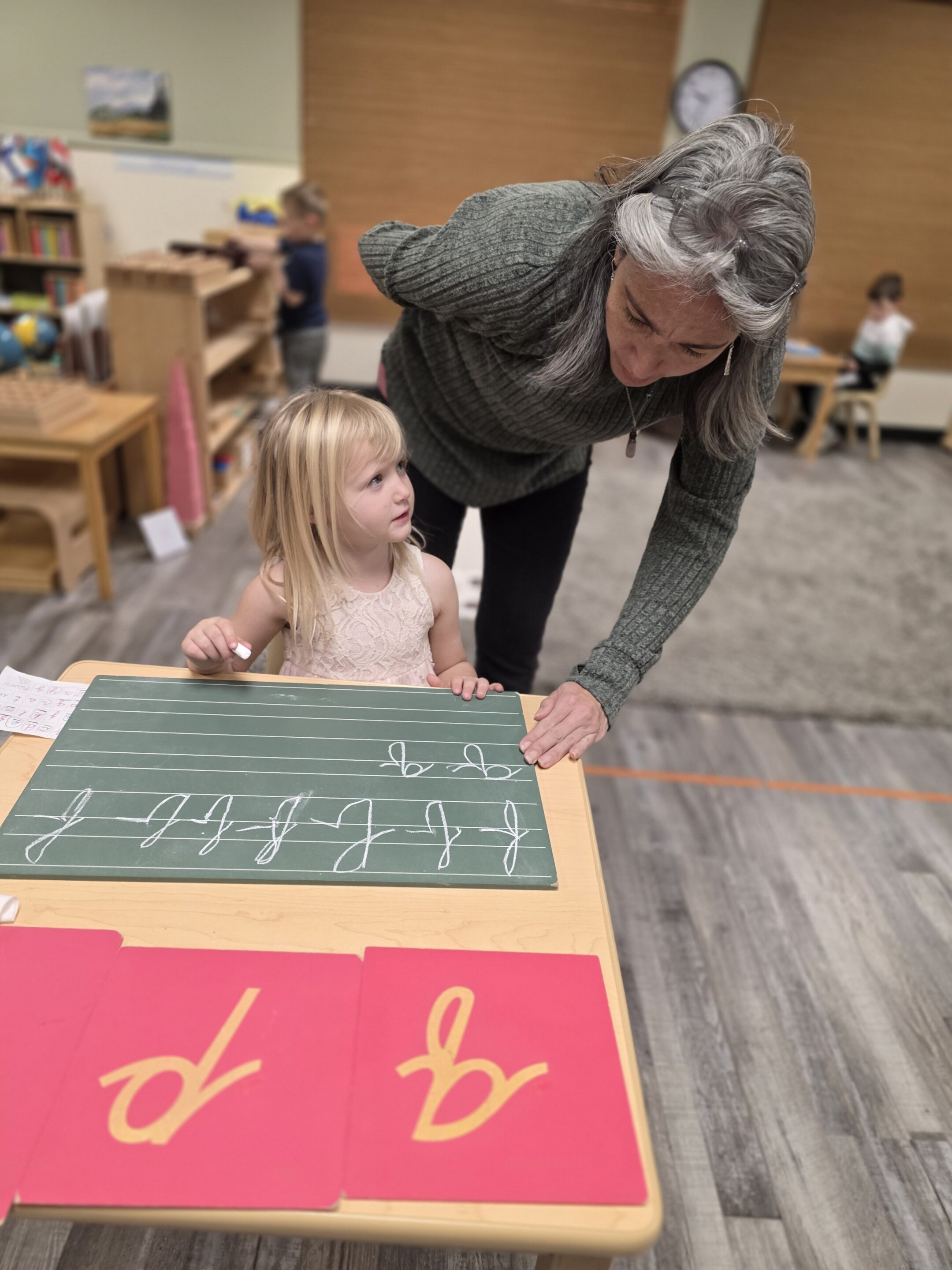
- Letter recognition and early writing
- Number sense and early math
- Following multi-step directions
- Longer attention span
- Social problem solving
- Classroom routines that prepare children for kindergarten
That does not mean pre-K should feel rushed or overly academic. Young children still learn best through hands-on work, movement, conversation, and meaningful repetition. The best pre-K programs prepare children without stripping away curiosity.
How Montessori Changes the Question
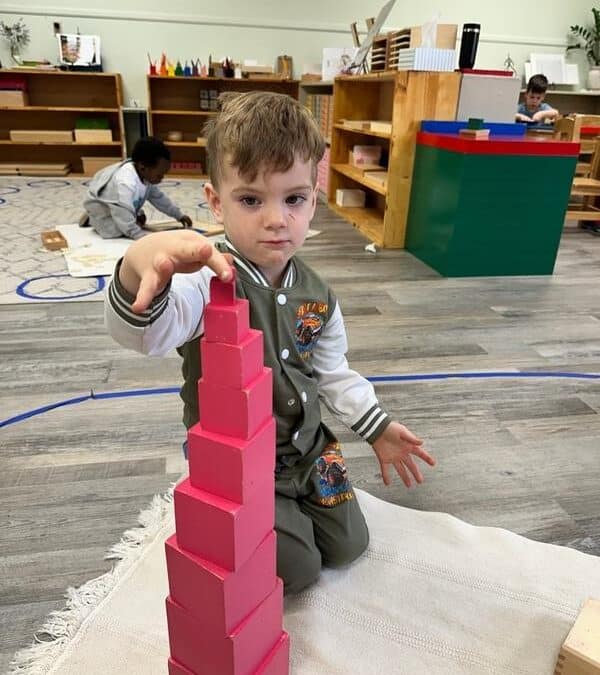
In Montessori, the pre-K vs preschool question looks different because children often learn in multi-year classroom communities. A 3-year-old, 4-year-old, and 5-year-old may share the same prepared environment, with each child using materials at the right level.
That mixed-age model is intentional. Younger children observe older peers. Older children develop confidence by modeling skills. Teachers guide each child individually instead of moving the whole group through one lesson at the same pace.
For parents, this means the label is less important than the environment. A Montessori preschool can include the pre-K year naturally, especially when the child stays long enough to become a classroom leader.
The final year before kindergarten is often when Montessori growth becomes most visible. Children who once watched others now complete more complex work, support younger classmates, and show stronger concentration.
Where Amici Fits
Amici Trilingual Montessori serves families in Ahwatukee and Phoenix with a Montessori environment that includes English, Spanish, and Mandarin. That combination matters because early childhood is a sensitive period for language, independence, movement, and social development.
For families with younger children, preschool may be the right language and independence foundation. For older children, the pre-K year may be the moment to strengthen readiness before kindergarten or elementary continuation.
Because Amici serves a broader age range than a single preschool classroom, parents can think in terms of continuity. A child does not have to experience each stage as a separate restart. The school environment can support growth from early practical life work into more advanced literacy, math, culture, and language experiences.
Should My Child Start Before Pre-K?
Many parents wonder whether they should wait until the year before kindergarten. Waiting can work for some families, but earlier enrollment has real advantages, especially in Montessori and multilingual settings.
When children start earlier, they have more time to:
- Build trust with teachers
- Learn classroom routines at a comfortable pace
- Develop independence before kindergarten pressure begins
- Hear Spanish and Mandarin consistently over time
- Move from observing to participating to leading
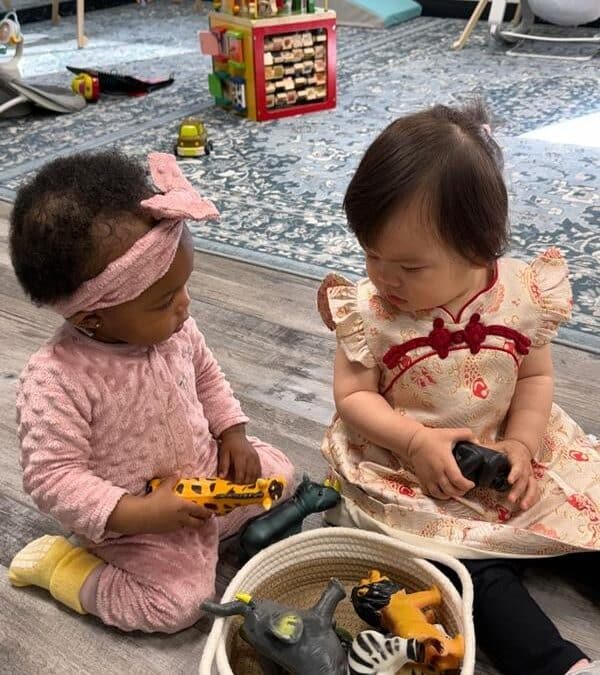
Language is a major reason not to wait. A child who begins hearing Spanish and Mandarin earlier has more time to absorb sound patterns and classroom phrases naturally. They do not need to speak perfectly. They need steady exposure in a setting where language has meaning.
How to Know If Your Child Is Ready
Readiness is not only about age. A child may be ready for preschool or pre-K if they are beginning to show curiosity, independence, social interest, or a need for more structure.
Signs your child may be ready include:
- Interest in other children
- Curiosity about books, songs, numbers, or materials
- Growing independence with simple routines
- Ability to separate from a parent with support
- Need for a richer learning environment
- Questions about kindergarten or “big kid” school
If your child is not fully independent yet, that does not automatically mean they are not ready. A good early childhood program helps children build those skills gently.
What Phoenix Parents Should Ask on a Tour
The tour is where labels become real. Rather than asking only “Is this preschool or pre-K?” ask how the school supports the child in front of you.
Ask:
- What ages are in this classroom?
- How do you prepare children for kindergarten?
- How do you support children who are new to a school setting?
- What does language exposure look like during the day?
- How do teachers know when a child is ready for more advanced work?
- What does a typical morning look like?
- How will you communicate progress to our family?
The answers should help you picture your child in the room. You should be able to imagine where your child would begin, how teachers would support them, and what growth might look like across several months.
Common Mistakes Parents Make When Comparing Programs
One mistake is choosing the program that sounds most academic without asking whether the classroom fits the child. A worksheet-heavy pre-K may look rigorous, but young children need more than paper practice. They need attention, movement, language, social problem solving, and confidence.
Another mistake is waiting too long because a child is “not ready yet.” Sometimes readiness grows because the child enters the right environment, not before.
A third mistake is ignoring continuity. Every transition asks something from a young child. When a school can support several stages of growth, families may avoid unnecessary disruption.
Internal Links to Include
- Amici tour page:
/tour/ - Amici homepage/program overview:
/ - Child development centers vs Montessori comparison:
/child-development-centers-vs-montessori-whats-the-difference/ - Kindergarten readiness checklist:
/kindergarten-readiness-checklist-2026/
FAQ Suggestions
Is pre-K better than preschool?
Pre-K is not automatically better. It is usually the year before kindergarten, while preschool is the broader early childhood stage. The better choice depends on your child’s age, readiness, and the quality of the classroom.
What age is pre-K in Phoenix?
Pre-K usually serves children around age 4 or 5, often in the year before kindergarten. Exact age requirements vary by school, so parents should ask each program directly.
Does Montessori preschool include pre-K?
Many Montessori programs naturally include the pre-K year because children work in mixed-age communities. Older children often become classroom leaders while completing more advanced practical life, literacy, math, and cultural work.
CTA
If you are comparing pre-K vs preschool for your child, schedule a tour at Amici Trilingual Montessori. Seeing the classroom is the easiest way to understand where your child would begin, how Montessori supports readiness, and how Spanish, Mandarin, and English fit into the day.
Approval request: Maestro, please approve, revise, or reject this Amici draft and the proposed real classroom photo. No WordPress publishing will happen without explicit approval of this specific draft.