Quick Answer: What Makes a Child Ready for Trilingual Preschool?
Most children do not need to speak Mandarin, Spanish, or English perfectly before starting a trilingual preschool. Readiness is usually about emotional security, curiosity, basic communication, and a classroom that can guide the child gently. In a Montessori environment, children build language through songs, routines, movement, practical life work, stories, and daily conversation. For Ahwatukee parents, the better question is not “Is my child already bilingual?” It is “Is my child ready for a warm classroom where language becomes part of everyday life?”
If you are considering trilingual preschool for your child, you may be wondering whether the timing is right. Many parents love the idea of Mandarin, Spanish, and English exposure, but pause when they imagine the first day. Will my child feel lost? Will three languages be too much? What if my child is quiet, shy, or still working on English?
Those are thoughtful questions. They also show that you are looking for a school where language is handled with care, not pressure.
At Amici Trilingual Montessori, readiness is not measured by how many words a child already knows in another language. It is measured by whether the child can enter a prepared environment, build trust with teachers, follow gentle routines over time, and begin using language in real situations. Some children speak quickly. Some listen for weeks first. Both patterns can be normal.
Signs Your Child May Be Ready for a Trilingual Classroom
A child may be ready for trilingual preschool when they show growing comfort away from a parent, curiosity about people and materials, and the ability to communicate basic needs in some way. That communication may be spoken words, gestures, facial expressions, pointing, or simple phrases.
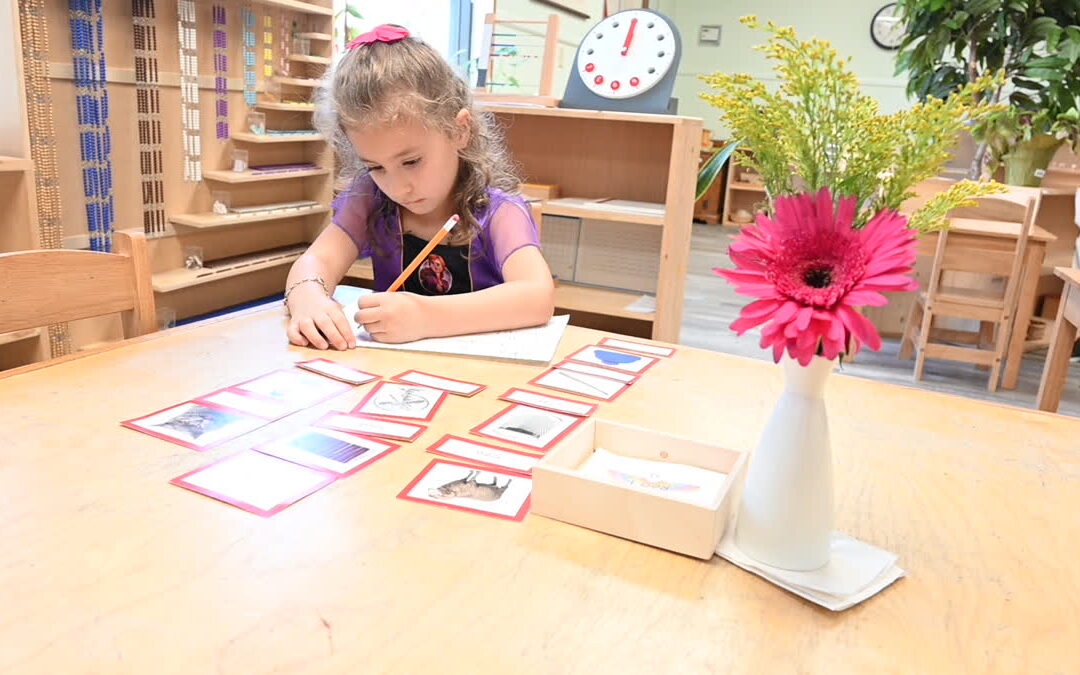
You do not need a child who can sit still for long lessons. Young children learn language best through repeated, meaningful experiences. In a Montessori classroom, those experiences happen during hand washing, snack preparation, songs, counting work, stories, grace and courtesy lessons, and conversations with teachers.
Look for signs like these:
- Your child notices songs, stories, movement games, or new sounds.
- Your child can separate from you with support, even if there are tears at first.
- Your child tries to communicate needs such as help, food, bathroom, comfort, or a favorite activity.
- Your child watches other children and begins to imitate their routines.
- Your child enjoys hands-on work, practical tasks, books, music, or sensory materials.
These signs matter more than prior fluency. A child who is curious, responsive, and supported can grow into a language environment step by step.
What Readiness Does Not Require
Trilingual preschool readiness does not require prior Mandarin or Spanish. It does not require perfect English. It does not require a child to answer every teacher immediately. It also does not require parents to speak all three languages at home.
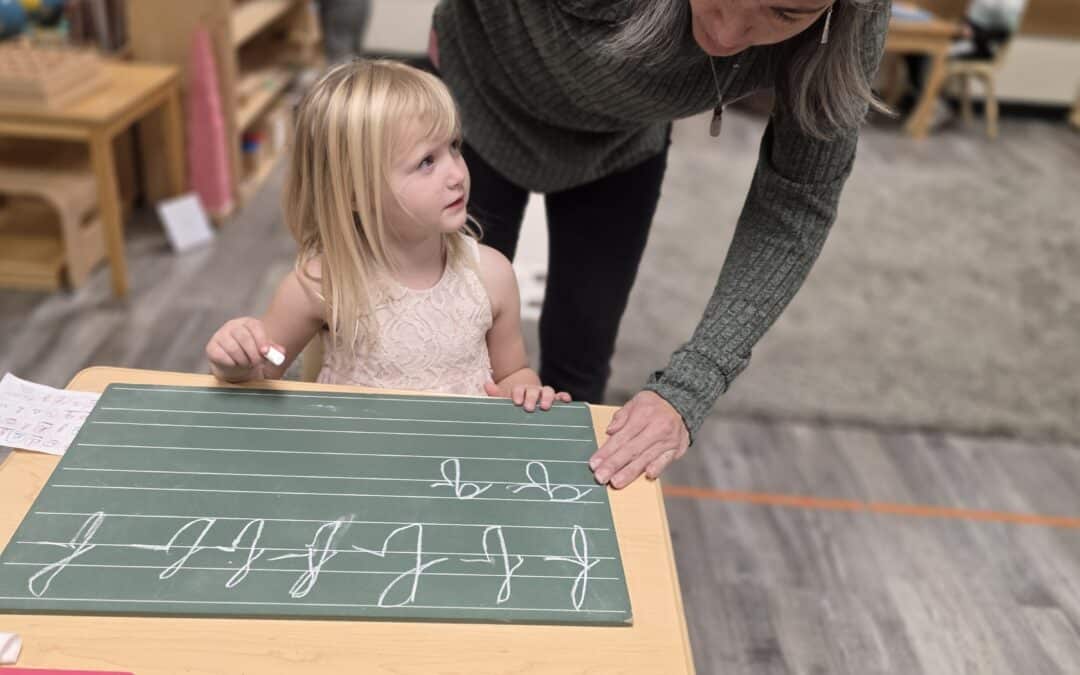
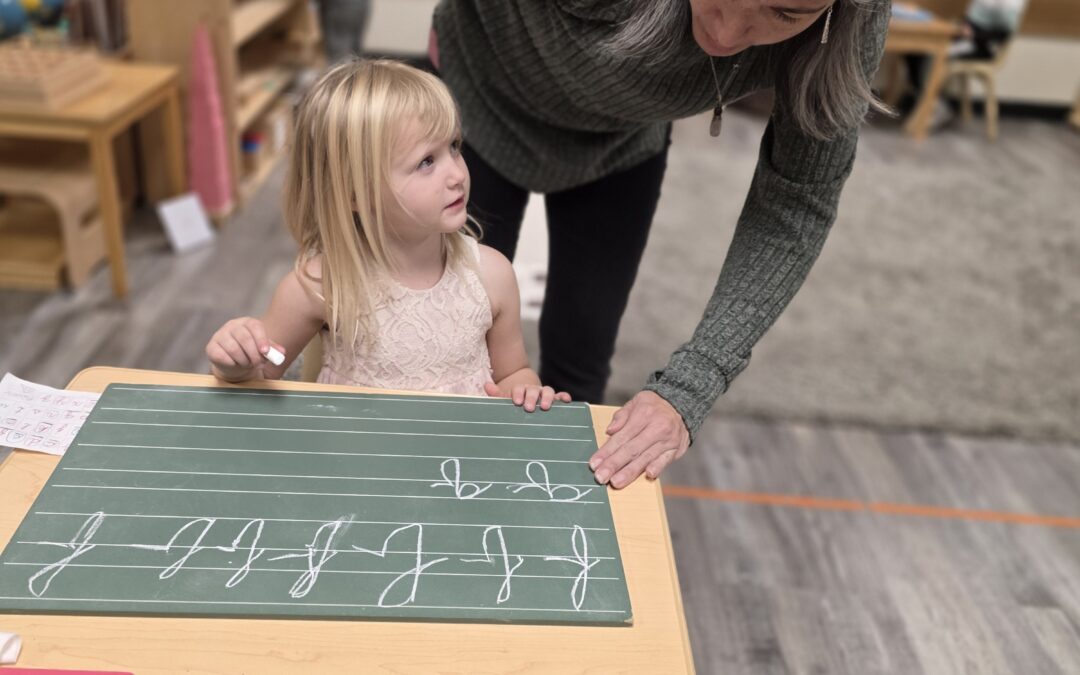
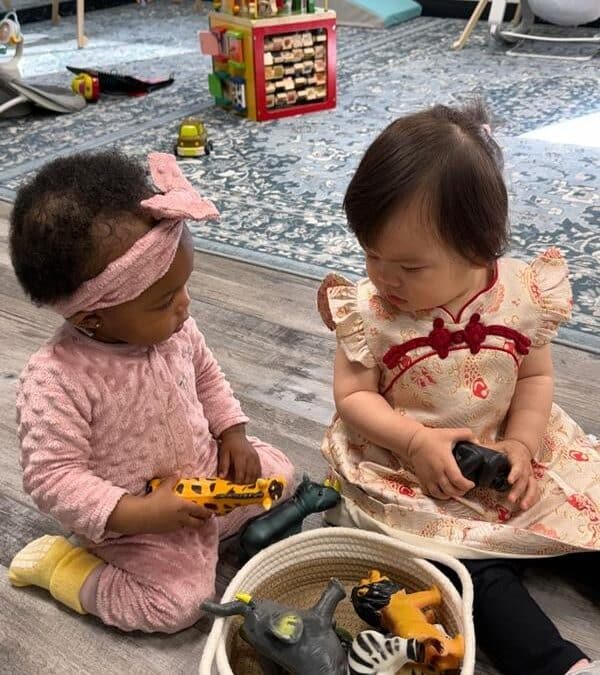
Many children begin by listening. Teachers sometimes call this a quiet period. A child may understand classroom phrases before using them aloud. They may respond with an action before responding with words. For example, a teacher might say a familiar cleanup phrase in Spanish or Mandarin, and the child begins putting materials away because the routine, gesture, and tone all support meaning.
This is one reason the classroom environment matters so much. Language is easier for young children when it is connected to something they can see, touch, repeat, and understand.
How Montessori Supports Language Readiness
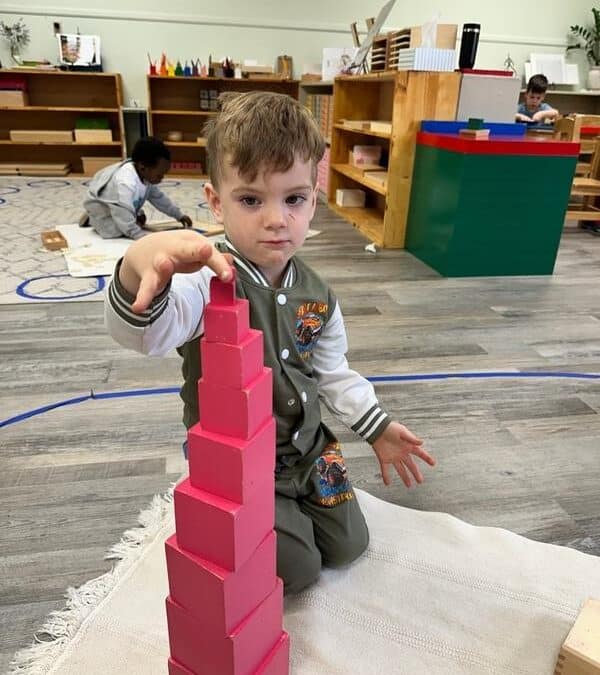
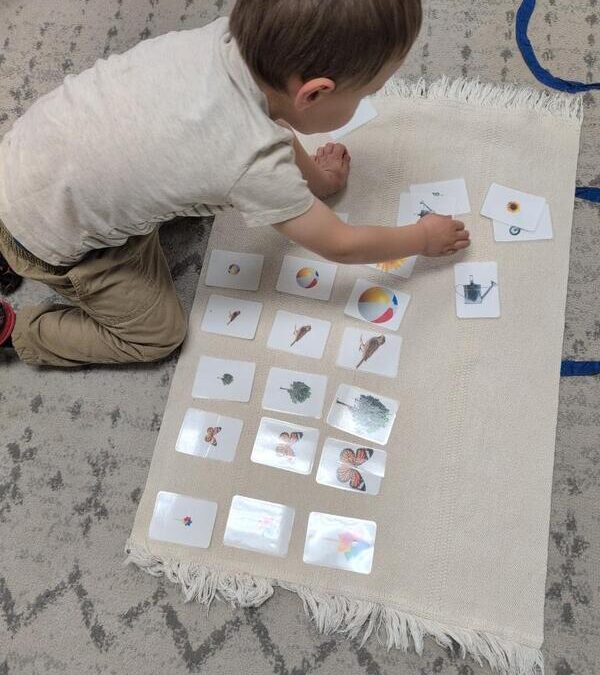
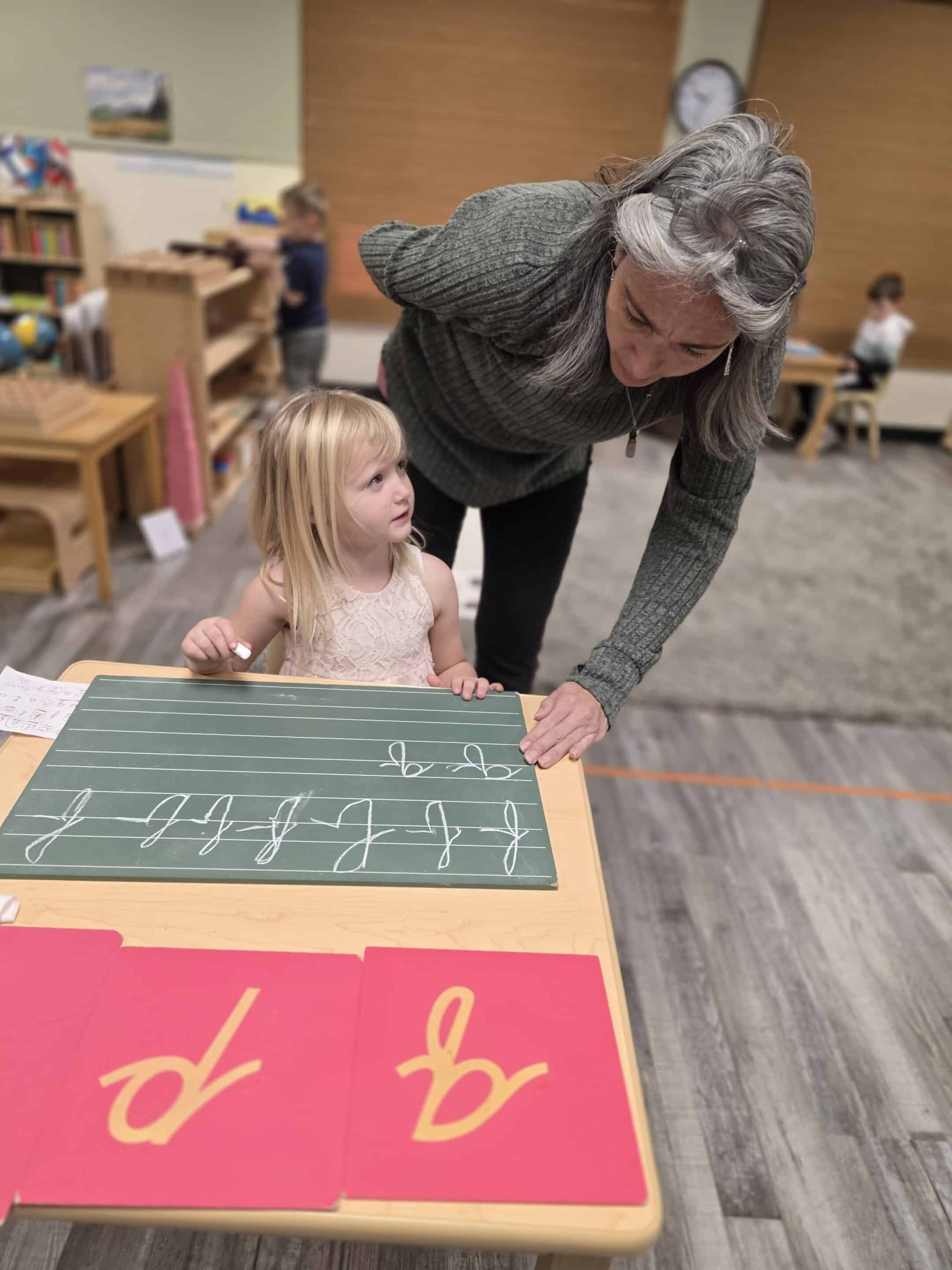
Montessori helps children enter a multilingual setting because the classroom is built around order, independence, and concrete experience. The child is not expected to absorb language from a lecture. Language is attached to movement, materials, choices, and relationships.
A teacher may name a color while the child is working with a material. Another may use a short Mandarin phrase during a greeting. Spanish may appear in a song, a story, a practical life lesson, or a classroom routine. English remains present as children build comfort and understanding.
This rhythm helps children feel safe. They do not have to decode three abstract language systems all at once. They hear language in context. They see what it means. They practice it again tomorrow.
For children who are cautious, Montessori also gives room for observation. A child can watch before joining. They can repeat a familiar work. They can build confidence through small successes. That emotional security is a real part of readiness.
Will Three Languages Confuse My Child?
Parents often worry that three languages will confuse a young child. In most healthy language environments, children are not harmed by hearing more than one language. They may mix words at times, especially when they are young, but mixing is not the same as confusion. It is often a sign that the child is using every tool available to communicate.
The key is consistency and warmth. Children need patient teachers who use language naturally, not as a test. They need repetition, visuals, songs, stories, and routines. They need adults who respond to meaning first, then model clearer language over time.
A trilingual classroom should not feel like three separate academic subjects stacked onto a young child. It should feel like a community where different languages belong to daily life.
What If My Child Is Shy or Slow to Speak?
A quiet child can still be ready. Shyness does not mean a child cannot benefit from trilingual exposure. In fact, a calm Montessori environment can be helpful for children who need time to observe before participating.
During a tour, ask how teachers support children who do not speak right away. A thoughtful answer should include observation, gentle invitations, predictable routines, and close communication with parents. It should not sound like pressure to perform.
If your child has a diagnosed speech or developmental concern, it is wise to share that with the school during your tour. The question is not whether your child must fit a generic mold. The question is whether the classroom can support your child’s specific needs with honesty and care.
What Ahwatukee Parents Should Ask on a Tour
A tour is the best way to understand whether a trilingual preschool is right for your child. You are not just evaluating a language promise. You are watching the adults, the environment, the pacing, and the way children are guided.
Consider asking:
- How do teachers introduce Mandarin and Spanish to children who are new to both?
- What happens if my child does not speak much during the first few weeks?
- How are songs, routines, and Montessori materials used to support language?
- How do you communicate with parents about adjustment and progress?
- What does a typical morning look like for a new child?
- How do teachers support separation anxiety?
These questions help you hear whether the school understands child development, not just language instruction. The right classroom should make you feel that your child will be known as a whole person.
How Amici Helps Children Grow Into Three Languages
Amici brings together Montessori structure and daily exposure to Mandarin, Spanish, and English. Children do not have to arrive fluent. They enter a prepared environment where language is part of greetings, songs, stories, practical life, classroom work, and relationships.
For some children, readiness looks like jumping into songs by the second week. For others, it looks like watching quietly, trusting one teacher, and slowly repeating familiar words. Both children are learning. Both children need patient adults who understand that confidence often comes before speech.
For Ahwatukee families comparing preschool options, this is the heart of the decision. You are not only choosing a curriculum. You are choosing the adults who will help your child feel safe enough to try, listen, speak, make mistakes, and try again.
Ready to See the Classroom?
If you are wondering whether your child is ready for trilingual preschool, the next step is to see the environment in person. Visit Amici, watch the classroom rhythm, meet the teachers, and ask the questions that matter for your child.
Frequently Asked Questions
Does my child need to know Mandarin or Spanish before starting trilingual preschool?
No. Many children begin with no prior Mandarin or Spanish. A good trilingual preschool introduces language through routines, songs, stories, movement, and daily classroom life.
Will learning three languages delay my child’s English?
Children may use different languages at different moments, and they may mix words while learning. That does not automatically signal delay. If you have a specific speech concern, discuss it with both your pediatrician and the school before enrollment.
What age is best for trilingual preschool?
Early childhood is a strong window for hearing and practicing new sounds naturally. The best timing depends on the child’s emotional readiness, the classroom environment, and the support teachers provide.
What if my child cries at drop-off?
Some tears during transition are normal. Ask the school how teachers support separation, how long adjustment usually takes, and how they communicate with parents during the first weeks.
Can parents support trilingual learning if they only speak English?
Yes. Parents can support language growth by reading, singing, asking about school routines, staying positive about new languages, and keeping communication open with teachers.
How can I tell if Amici is the right fit?
Visit the classroom. Notice whether children seem respected, whether teachers are warm and clear, and whether language is woven naturally into the day. A tour gives you more information than a brochure can.