Trilingual Preschool in Ahwatukee: Mandarin, Spanish, and English from the Start
School: Amici Trilingual Montessori
Status: Approval-ready draft only. Do not publish without Maestro approval.
Suggested slug: trilingual-preschool-ahwatukee
Primary keyword: trilingual preschool Ahwatukee
Search volume: Unknown. Historical Spia briefs marked this as a critical hyperlocal opportunity, but no live keyword-volume pull was available during this cron run.
Word-count target: 1,200-1,500 words
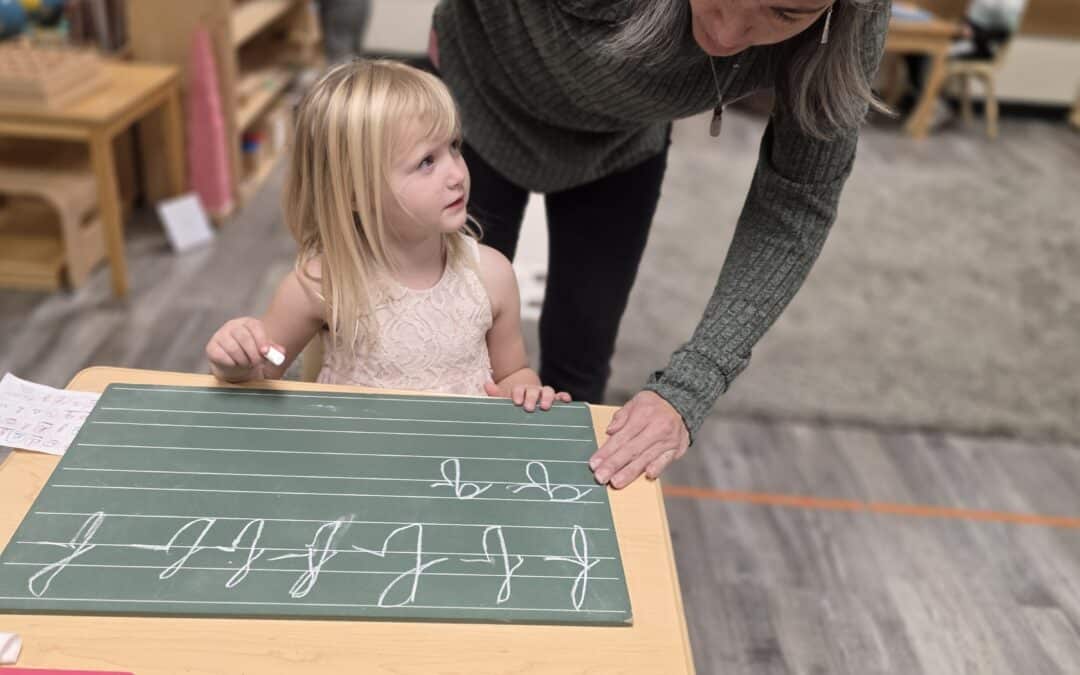
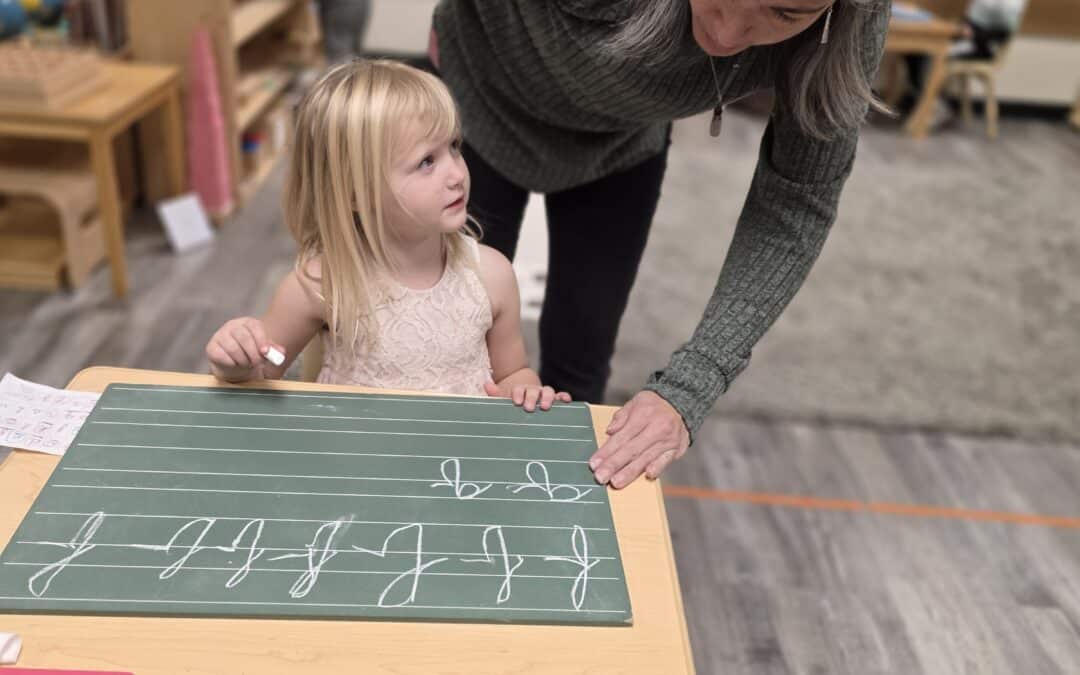
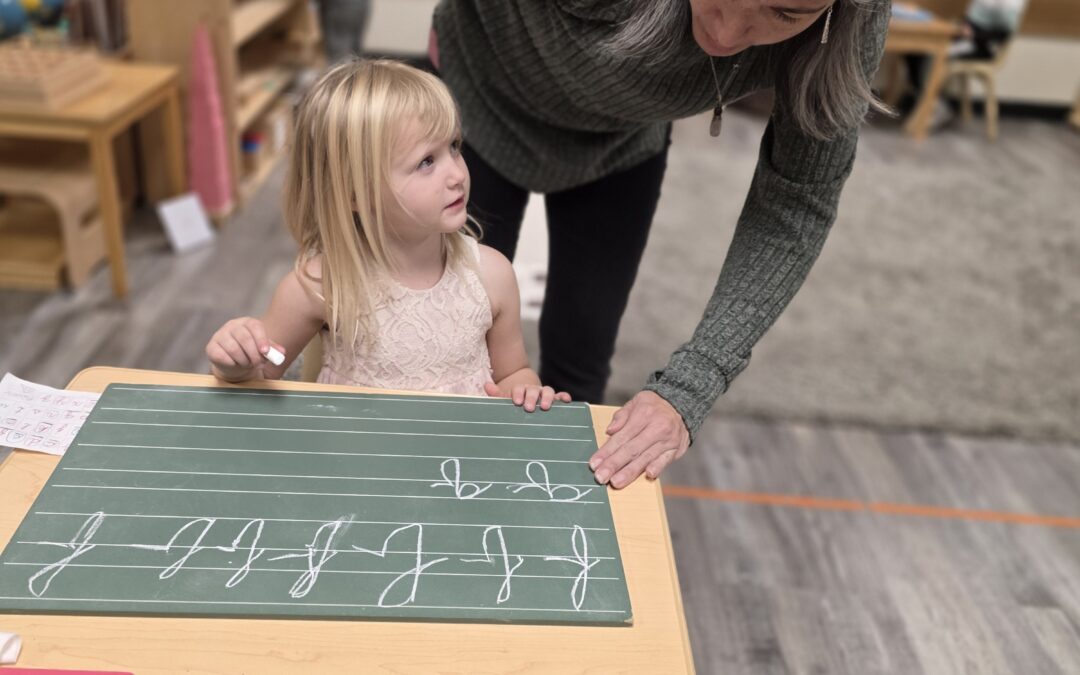
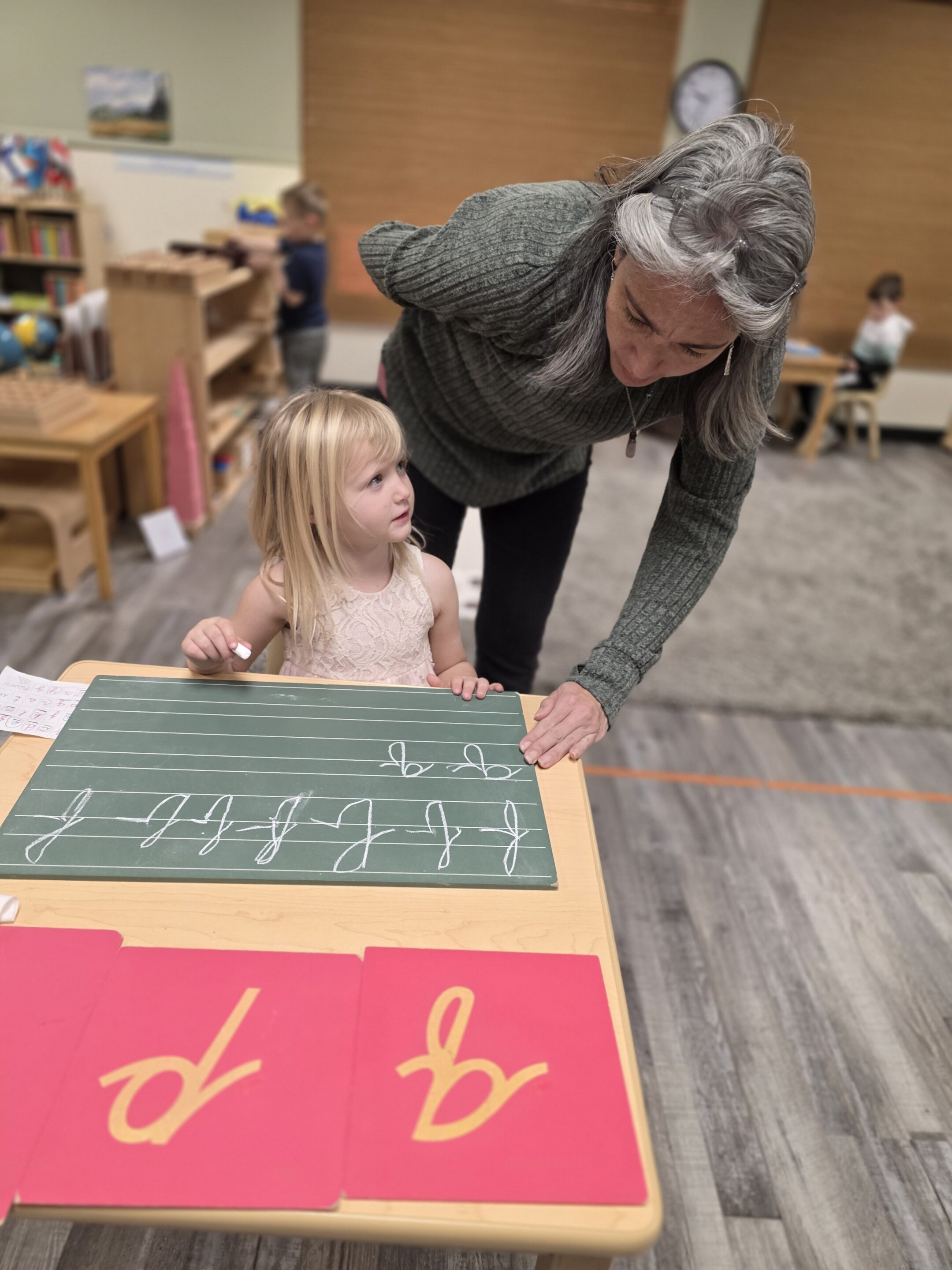
Recommended real photo: /home/cryptonovado/clawd/assets/real_photos/amici/016339c1-bb40-4ebd-aa5b-9f213bee66e8.jpg – real Amici teacher and child working with handwriting/materials.
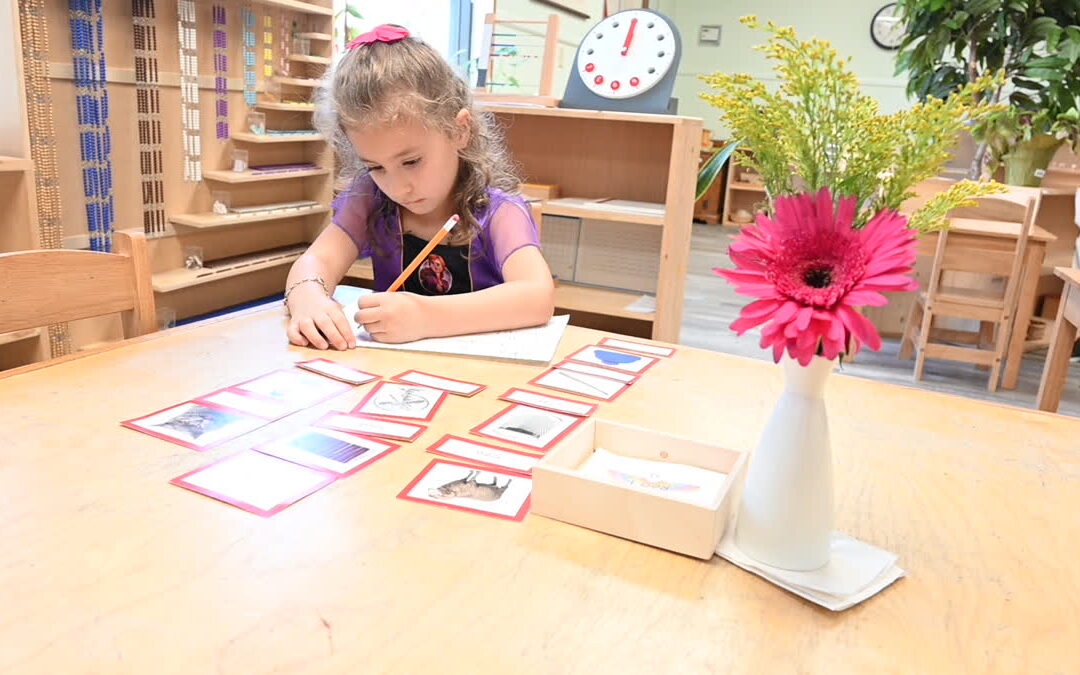
Backup real photo: /home/cryptonovado/clawd/assets/real_photos/amici/87f2b268-a8bf-444d-ba50-9f77052bb3df.jpg – real Amici child working independently with Montessori materials.
Image rule: Real approved school photo only. No AI, stock, Canva AI, or unrelated classroom imagery.
Meta title: Trilingual Preschool Ahwatukee | Amici Montessori
Meta description: Amici Trilingual Montessori in Ahwatukee offers Mandarin, Spanish, and English immersion in an authentic Montessori environment for infants through early elementary.
Opening Answer
A trilingual preschool gives children meaningful exposure to three languages during the years when listening, imitation, and communication are developing rapidly. At Amici Trilingual Montessori in Ahwatukee, children experience English, Spanish, and Mandarin within a Montessori environment designed for independence, concentration, movement, and joyful learning.
For Phoenix and Ahwatukee parents, the question is not whether young children can handle more than one language. They can. The better question is whether the school has the structure, teachers, and daily rhythm to make three languages feel natural instead of overwhelming.
What Is a Trilingual Preschool?
A trilingual preschool is not a school that teaches a few vocabulary words in three languages once a week. It is a prepared learning environment where children hear and use multiple languages during real classroom life.
That distinction matters. Children learn language through context. When a teacher uses Spanish during a greeting, Mandarin during a song, or English during a literacy activity, the child connects language to people, movement, objects, and emotion. The language has a purpose.
At Amici, trilingual learning is paired with Montessori because both approaches respect how children develop. Montessori gives children order, hands-on materials, choice within limits, and long periods of focused work. Language immersion gives them rich sound, culture, and communication during those same meaningful routines.
Why Ahwatukee Parents Are Looking for Trilingual Education
Ahwatukee families often want a school that feels both academically serious and deeply human. They want children to be prepared for kindergarten and beyond, but they also want cultural awareness, confidence, independence, and a love of learning.
Trilingual education speaks to that desire. A child who hears Mandarin, Spanish, and English early is learning more than words. They are learning that people communicate in different ways. They are learning flexibility. They are learning to listen closely and try again.
For families near Chandler Boulevard, the Foothills, South Mountain, and the East Valley commute corridor, Amici offers a local option for parents who want language immersion without giving up Montessori principles.
Campus: 1244 E. Chandler Blvd., Phoenix, AZ 85048
Phone: 480-336-3364
How Three Languages Work in a Montessori Day
A trilingual Montessori day should feel calm, not chaotic. The goal is not to switch languages randomly. The goal is to create consistent, repeated, meaningful exposure.
Children may hear English for literacy foundations, Spanish during songs or classroom conversation, and Mandarin during stories, cultural activities, or teacher-guided routines. Over time, children begin to recognize patterns. They understand before they speak. They respond with gestures, then words, then short phrases.
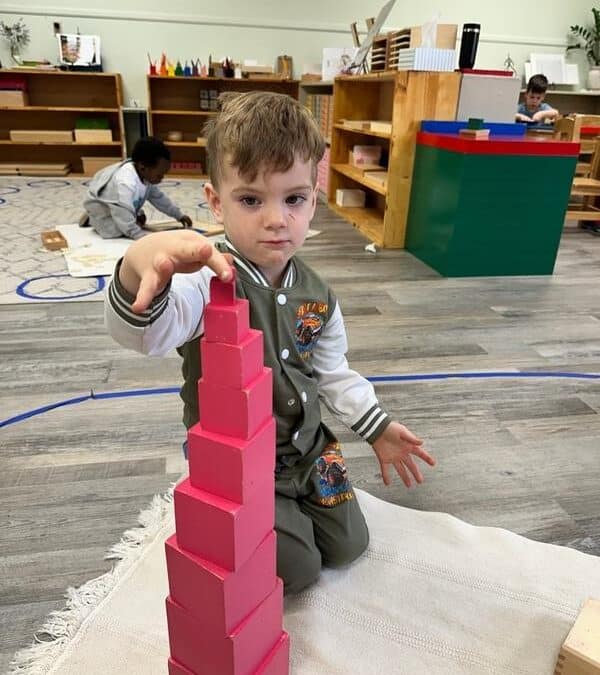
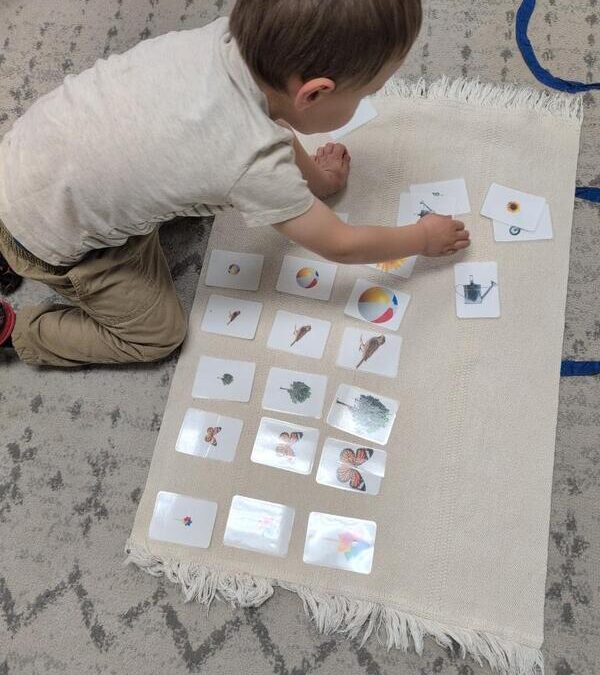
Montessori materials support this beautifully because they are concrete. A child can touch a cylinder, count beads, match colors, pour water, trace sandpaper letters, or arrange objects while language surrounds the work. The material gives the word something to attach to.
Mandarin at Amici
Mandarin gives children access to one of the world’s most important languages and a writing system that builds visual attention in a unique way. For young children, Mandarin exposure often begins with sound: greetings, songs, counting, classroom phrases, and stories.
Parents sometimes worry that Mandarin will feel too difficult. In a preschool environment, difficulty is not the starting point. Relationship is. Children hear the teacher’s tone, watch gestures, repeat songs, and connect meaning through routine. Mandarin becomes familiar because it is attached to a caring adult and a predictable day.
Spanish at Amici
Spanish has deep cultural and practical relevance for Phoenix families. Many children hear Spanish in the community, from relatives, at restaurants, in music, or around the city. A school environment can turn that exposure into confidence.
At Amici, Spanish can be part of songs, greetings, classroom language, stories, and practical routines. Children begin to understand that Spanish is not a separate subject. It is a living language used by real people around them.
For families with Spanish at home, school can reinforce pride and fluency. For families without Spanish at home, school can open a doorway into a language that is deeply connected to Arizona life.
English Foundations Still Matter
Trilingual does not mean English is neglected. Parents should expect a strong school to protect English foundations: vocabulary, phonemic awareness, storytelling, early writing, comprehension, and clear communication.
In Montessori, English literacy can develop through rich conversation, sound games, practical life work, sensorial materials, early writing preparation, and eventually reading readiness. The presence of other languages can strengthen a child’s understanding that words carry meaning, sounds can be compared, and communication is flexible.
Ages Served: Infants Through Early Elementary
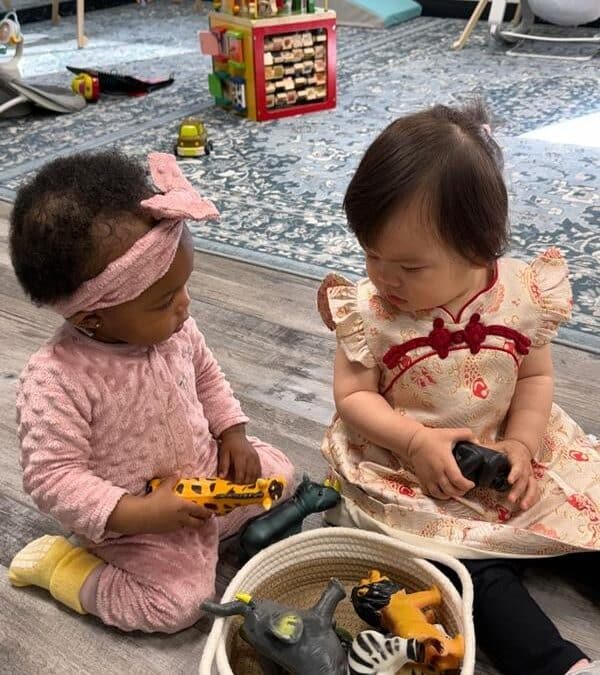
One of Amici’s strongest differentiators is the age span. The school serves young children from infancy through early elementary, which means language exposure can begin early and continue through major developmental stages.
For infants and toddlers, language learning is mostly listening, rhythm, relationship, and routine. For preschoolers, it becomes songs, classroom phrases, naming, early conversation, and cultural activities. For older children, language can connect more directly to reading, writing, academic vocabulary, and identity.
The continuity matters. Children benefit when language is not a short-term enrichment activity, but part of the school culture year after year.
What Parents Should Ask on a Tour
When touring a trilingual preschool in Ahwatukee, ask practical questions:
- How are Mandarin, Spanish, and English used during the day?
- Who teaches each language?
- How do you support a child who only speaks English at home?
- What does language progress look like after three months, six months, and one year?
- How does Montessori support language learning?
- How do infants and toddlers experience the languages differently from preschoolers?
- What should parents do at home?
The answers should feel specific. A strong program can describe the daily experience, not just the philosophy.
What If My Child Gets Confused?
This is one of the most common parent questions, and it is understandable. Adults often imagine three languages as three school subjects stacked on top of one another. Children experience them more relationally.
They learn which teacher says which words. They learn which song belongs to which moment. They learn that the same object may have more than one name. Temporary mixing is normal in multilingual development and is not a sign of confusion. It often shows that the child is using all available language resources to communicate.
The goal is not perfection. The goal is confidence, comprehension, and a joyful relationship with language.
Schedule a Tour at Amici Trilingual Montessori
If you are looking for a trilingual preschool in Ahwatukee, the most important next step is to visit. A tour lets you see the Montessori environment, hear how language is used, and ask how the program would support your child’s age and personality.
CTA: Schedule a tour at Amici Trilingual Montessori: https://amicimontessori.com/tour/
Suggested Internal Links
https://amicimontessori.com/tour/– tour CTAhttps://amicimontessori.com/– homepagehttps://amicimontessori.com/summer-camp-2026/– current seasonal program contenthttps://amicimontessori.com/kindergarten-readiness-checklist-2026/– readiness guidehttps://amicimontessori.com/child-development-centers-vs-montessori-whats-the-difference/– Montessori comparison
FAQ Schema Candidates
Is there a trilingual preschool in Ahwatukee?
Yes. Amici Trilingual Montessori serves Ahwatukee families with Mandarin, Spanish, and English exposure in a Montessori school environment at 1244 E. Chandler Blvd., Phoenix, AZ 85048.
Can young children learn three languages at once?
Yes. Young children can learn multiple languages when exposure is consistent, meaningful, and developmentally appropriate.
How does Montessori support trilingual learning?
Montessori materials give children concrete experiences that help language attach to real objects, routines, movement, and problem-solving.
Do parents need to speak Mandarin or Spanish at home?
No. Parents can support language learning by showing curiosity, encouraging songs and phrases, and keeping the experience positive.