Trilingual vs. Bilingual Preschool: Which Is Right for Your Child?
For many Phoenix families, bilingual preschool already sounds ambitious. A trilingual Montessori environment goes one step further: children hear and use Mandarin, Spanish, and English as part of daily classroom life, not as a separate enrichment class.
The right choice depends on your child’s age, your family’s goals, and how much language exposure the school provides each day.
What Bilingual Preschool Usually Means
A bilingual preschool gives children meaningful exposure to two languages. In Phoenix, that often means English and Spanish, though some schools may offer English with Mandarin, French, or another language.
The strength of a bilingual program depends on how often children hear and use the second language. Some schools offer true daily immersion. Others offer a short language lesson a few times a week. Both can be positive, but they are not the same.
What Trilingual Preschool Means
A trilingual preschool introduces children to three languages in a consistent school environment. At Amici Trilingual Montessori, children experience English, Spanish, and Mandarin as part of the school culture.
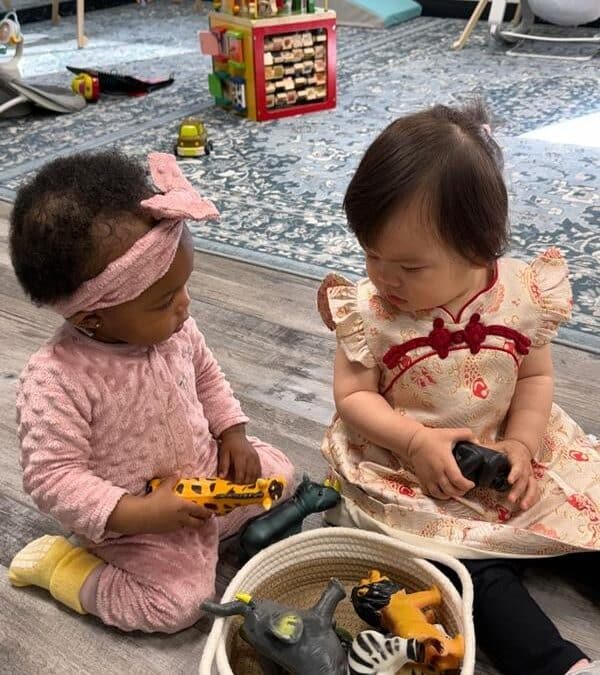
That does not mean children are drilled in three languages all day. Young children learn best when language is connected to real routines and relationships. A trilingual environment gives them repeated chances to hear different sounds, rhythms, and words while they work, sing, listen, move, and interact.
Will Three Languages Confuse Young Children?
Parents often worry that three languages will overwhelm a child. In a thoughtful classroom, that is not how multilingual development works. Young children are natural pattern seekers. They notice who speaks which language, when certain songs are used, and how words connect to actions.
They may mix languages at first, which is a normal part of multilingual development. Mixing does not mean confusion. It often shows that the child is using all available language tools to communicate.
Why Montessori Supports Multilingual Learning
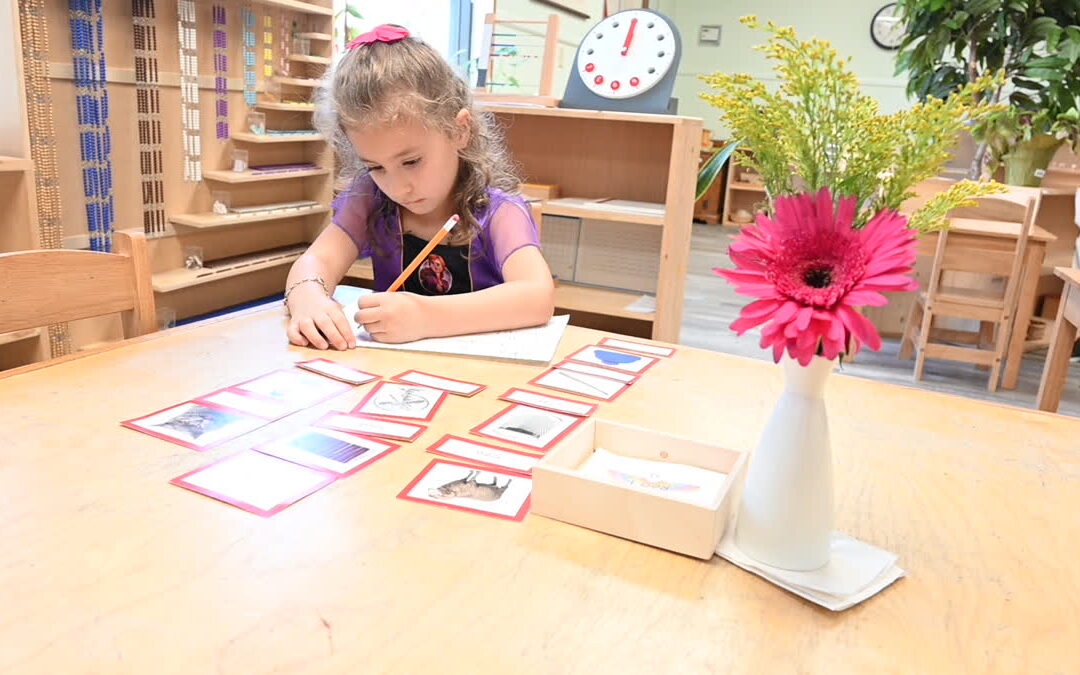
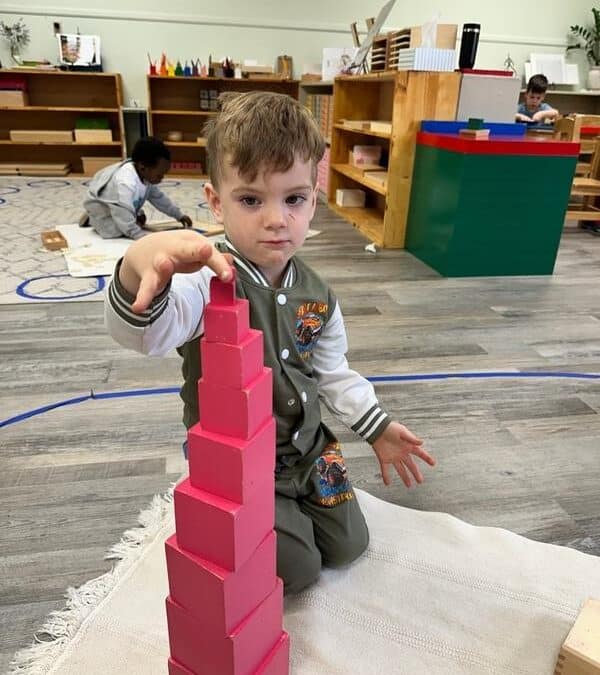
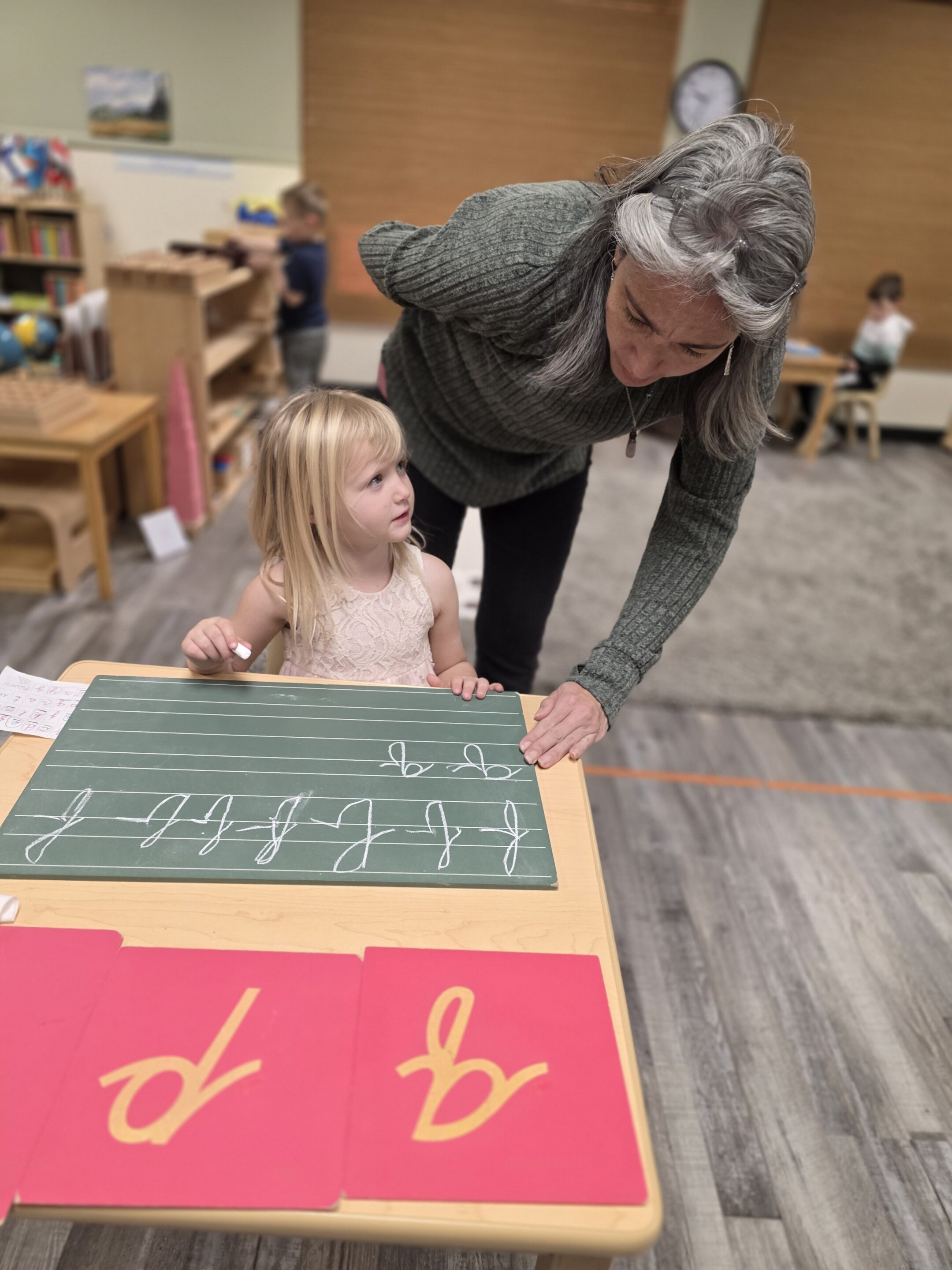
Montessori and multilingual education fit well together because both respect the way children develop naturally. A Montessori classroom gives children hands-on materials, movement, order, independence, and long periods of concentration.
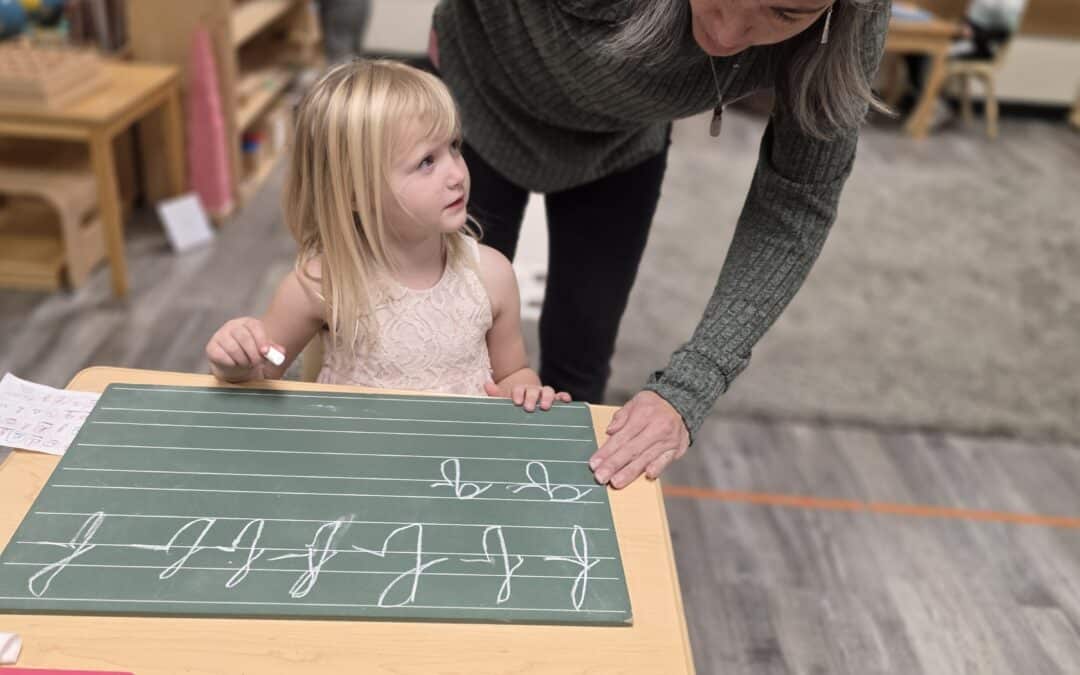
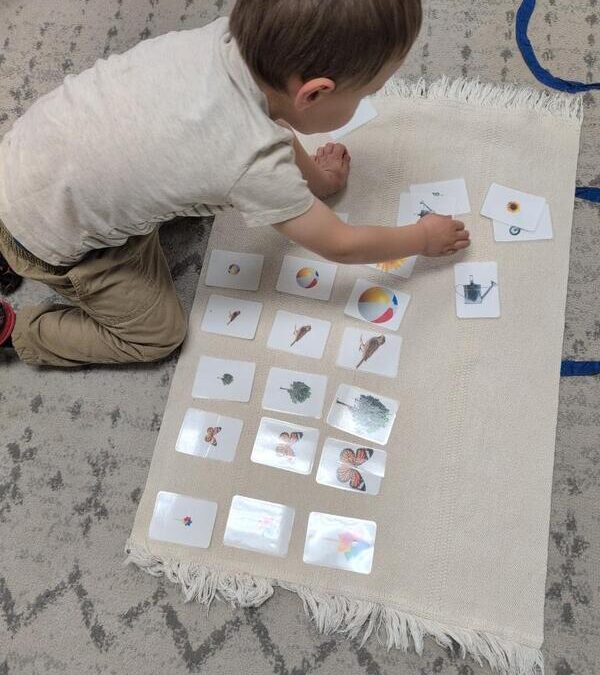
Language can attach to those concrete experiences. A child touches, carries, pours, sorts, traces, counts, cleans, and listens. Words have meaning because they are connected to real work.
When Bilingual Preschool May Be Enough
A bilingual preschool may be the right fit when a family has one clear language priority, when the child is already receiving another language at home, or when the family wants a simpler school environment.
There is no single right answer for every child. The best program is the one that offers quality, consistency, and emotional safety.
When Trilingual Preschool May Be the Better Fit
Trilingual preschool may be the better fit when parents want broader language exposure, cultural flexibility, and a school environment where multilingual learning is normal from the start.
At Amici, Mandarin, Spanish, and English give children three language pathways during a period when listening and imitation are developing rapidly. Families in Ahwatukee, South Mountain, Chandler, and the East Valley often value that combination because it prepares children for a connected world while still grounding them in a calm Montessori classroom.
What to Look for on a Tour
When comparing bilingual and trilingual preschool options, ask which languages are used each day, who speaks each language, whether language is connected to classroom routines, how teachers support new children, how English development is protected, and what progress looks like over time.
The Amici Difference
Amici Trilingual Montessori combines Mandarin, Spanish, and English with Montessori principles. Children build independence, concentration, practical life skills, social confidence, and early academic foundations in an environment where language is part of daily life.
The trilingual model is not about rushing children. It is about giving them a rich environment while their brains are ready to listen, imitate, and connect.
Frequently Asked Questions
Is trilingual preschool too much for a shy child?
Not when the classroom is warm and predictable. A shy child may listen for a long time before speaking. That quiet listening period can still be productive language learning.
Will my child still build strong English skills?
A strong trilingual school protects English foundations while adding Spanish and Mandarin exposure. Parents should ask how storytelling, vocabulary, early writing, and reading readiness are supported.
How can I compare programs fairly?
Do not compare only the number of languages listed on a website. Compare the daily rhythm, teacher skill, classroom calm, Montessori quality, and how children respond during a tour.
Schedule a Tour
The best way to choose between bilingual and trilingual preschool is to see the classroom. Schedule a tour at Amici Trilingual Montessori to see Mandarin, Spanish, and English inside an authentic Montessori classroom and decide whether trilingual education is the right fit for your child.
Come and see the school
Amici Trilingual Montessori is a Mandarin, Spanish and English immersion Montessori school at 1244 E. Chandler Blvd., Phoenix, AZ 85048, in Ahwatukee. We are open Monday to Friday, 7:00am to 6:00pm, and we serve children from infancy through second grade.