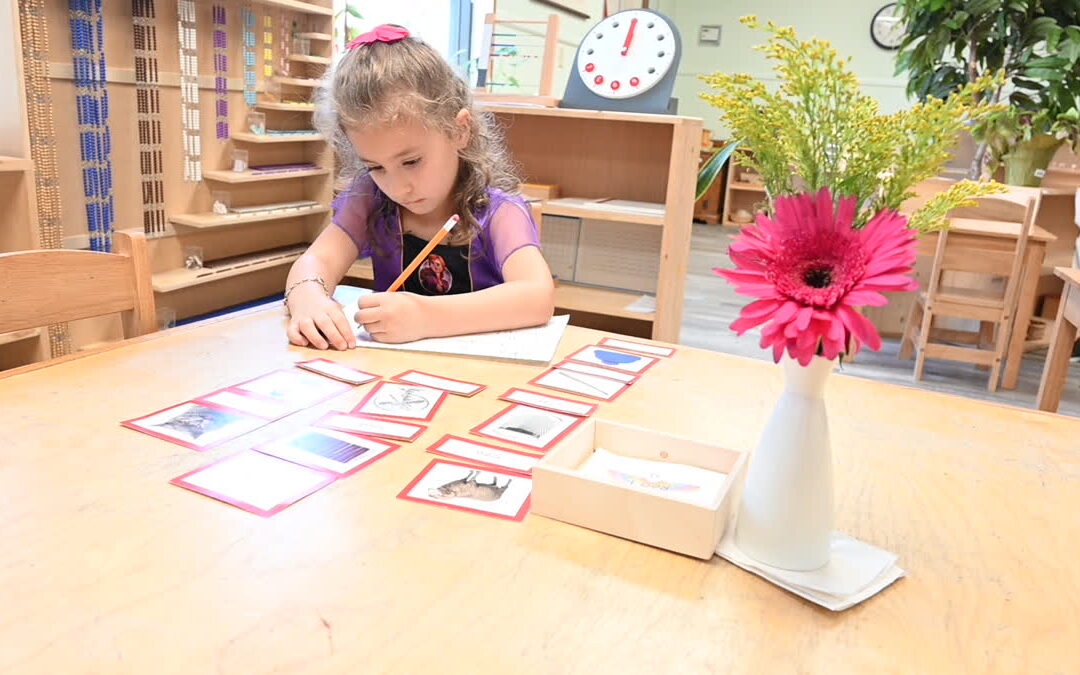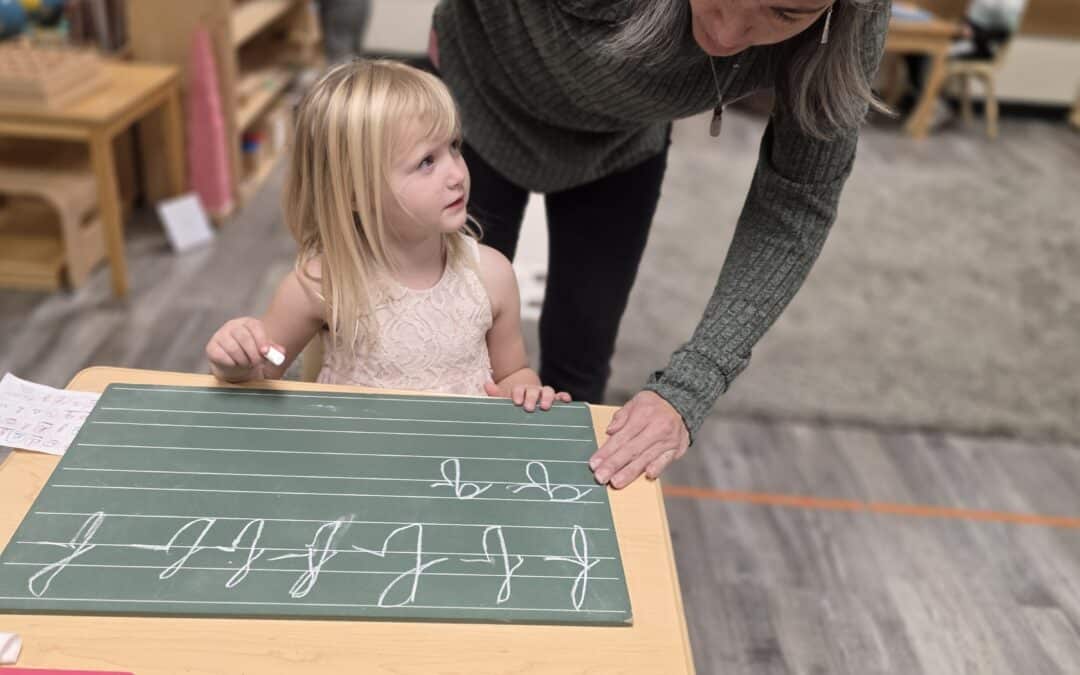
Raising a trilingual child involves consistent, long-term exposure to three languages, typically through the one-person, one-language strategy, immersive schooling, and cultural activities. Start as early as possible, maintain daily consistency, and foster a supportive, pressure-free environment. Amici Montessori supports this journey with trilingual immersion in Mandarin, Spanish, and English.
Understanding Trilingualism
What is Trilingual?
To begin with, let’s clarify the trilingual meaning. A trilingual child is someone who can communicate fluently in three languages. This ability is not merely a combination of knowing multiple languages but involves the proficiency to understand, speak, read, and write in those languages.
According to the Ethnologue, an estimated 3.1% of the world’s population is trilingual, leading us to the question, how many people are trilingual? While the percentage may seem small, it represents millions of individuals who benefit from the cognitive, social, and economic advantages that come with multilingualism. This brings us to the idea of trilingual education, which incorporates multiple languages into daily learning, allowing children to thrive in a multicultural environment.
The Cognitive Benefits of Raising a Trilingual Child
The advantages of being trilingual extend far beyond simple communication. Research indicates that multilingual children exhibit enhanced cognitive abilities, including improved problem-solving skills, creativity, and even better memory retention. For instance, the mental gymnastics required to switch between languages can lead to greater flexibility in thinking.
At Amici Montessori, we emphasize these cognitive benefits in our curriculum, encouraging children to explore different languages and cultures in engaging ways. By providing a rich learning environment, we help children harness their full potential, preparing them for a world that values diversity and adaptability.
Effective Strategies for Raising a Trilingual Child
Early Exposure to Multiple Languages
One of the most effective ways to raise a trilingual child is to provide early exposure to multiple languages. Research shows that the earlier a child is introduced to different languages, the more proficient they are likely to become.
At Amici Montessori, we recommend the one-person, one-language strategy, where each caregiver consistently speaks a specific language with the child. This method helps children associate languages with particular contexts and relationships, making it easier for them to navigate their multilingual environment.
Consistency and Routine
Consistency is key in language learning. Regular practice allows children to reinforce their language skills and gain confidence. Incorporating languages into daily routines—like mealtimes, play, and bedtime—helps solidify their learning.
Encouraging Playful Repetition
Children learn best through play. Activities that encourage playful repetition, such as songs, games, and storytelling, can make language learning enjoyable. With a playful approach to language, parents can create fun and engaging experiences that stimulate their children’s interest in multiple languages.
Creating a Supportive Language Environment
To promote language acquisition, create an environment that is rich in linguistic input. Surround your child with books, music, and videos in each language. Engage them in conversations and encourage them to express themselves in their languages of choice.
Overcoming Common Challenges
Addressing Language Mixing
A common concern for parents is language mixing, where children blend languages in their speech. This phenomenon is completely normal, especially during the early stages of language development. Instead of correcting them, parents should encourage their children to express themselves freely, gradually helping them learn when to use each language appropriately.
Managing Expectations and Fostering Patience
Raising a trilingual child requires patience. Language development is a gradual process, and each child progresses at their own pace. It’s essential to manage expectations and celebrate small milestones along the way.
Supporting Language Development in a Multilingual Home
In a multilingual household, siblings may prefer one language over another. Encourage equal use of all languages by creating situations where each language is needed. For example, designate specific times for family discussions in one language, while ensuring that the others are practiced in different contexts.
The Role of Schools in Language Acquisition
Choosing the Right Educational Setting
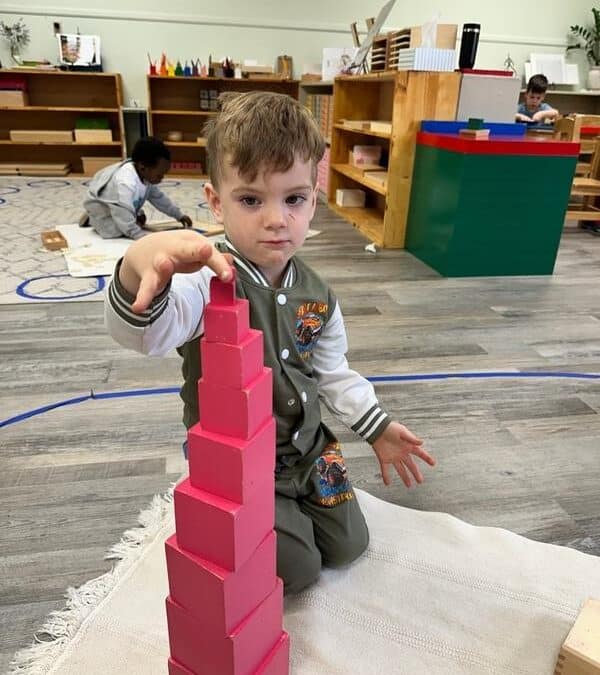
Selecting an appropriate school is crucial for your child’s language development. Amici Montessori stands out as the best preschool and kindergarten in Ahwatukee, offering a nurturing environment that supports trilingual education. Our curriculum integrates languages into everyday activities, helping children develop fluency in an immersive setting.
Advantages of Immersion Programs
Immersion programs, like those at Amici Montessori, provide children with opportunities to learn languages naturally. By integrating language learning into all subjects, children experience a holistic educational approach that enhances their understanding and appreciation of different cultures.
How Amici Montessori Supports Trilingual Education
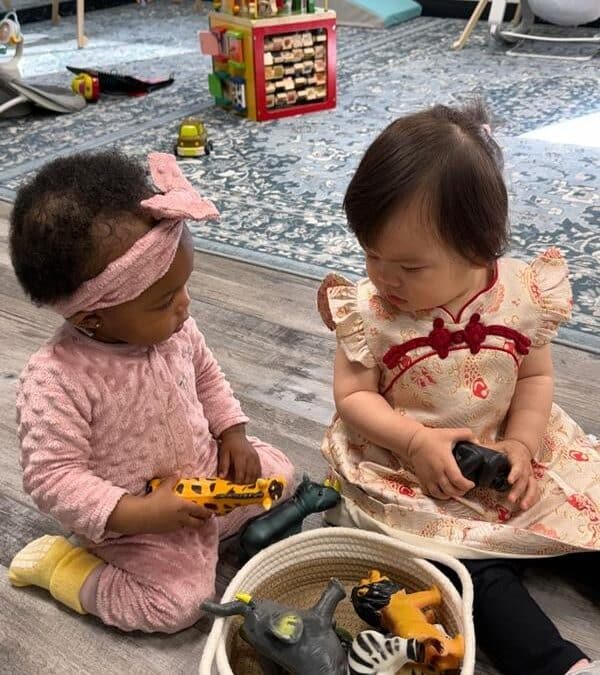
At Amici Montessori, we celebrate diversity by creating an inclusive environment where every language is valued. Our trained educators implement innovative teaching methods tailored to children’s unique learning styles. From storytelling sessions in different languages to cultural celebrations, we ensure that language learning is dynamic and enjoyable.
Frequently Asked Questions
What age is best to start trilingual education?
Birth to age 7 is the optimal window for language acquisition, as young brains are wired for simultaneous learning. Amici Montessori welcomes infants as young as 6 weeks into our trilingual immersion program, maximizing this critical period for native-level pronunciation and grammar intuition.
Will my child experience language confusion?
No. While temporary language mixing (code-switching) is normal, it is a sign of a developing bilingual brain, not confusion. Your child’s total vocabulary across three languages will exceed that of monolingual peers, and they will naturally learn to separate languages based on social context as they mature.
How much time does trilingual development take?
Language development is non-linear and requires consistent, daily exposure over years. Progress comes in spurts rather than a steady line. Patience is key—consistency and rich, playful input in all three languages ensure steady growth toward long-term trilingual fluency.
Can I raise a trilingual child if I don’t speak all three languages?
Yes. You can leverage external resources: bilingual schools, language immersion programs, playgroups, and language-specific caregivers. Use high-quality media (shows, music) and books in the target languages, and connect with other families speaking those languages to create a rich linguistic environment.
What are the cognitive benefits for trilingual children?
Trilingual children show superior executive function—better focus, multitasking, and impulse control—compared to monolingual peers. The constant “mental gymnastics” of switching between languages strengthens problem-solving, memory retention, creativity, and metalinguistic awareness, providing lasting academic and professional advantages.
How do I maintain consistency in a trilingual household?
Adopt the “one-person, one-language” strategy for caregivers, use dedicated language times (e.g., “Spanish Tuesdays”), and ensure your home is rich with books, music, and media in all three languages. Consistency creates the necessary foundation for your child to internalize each language separately.
Conclusion
In conclusion, raising a trilingual child is a rewarding endeavor that equips them with invaluable skills for the future. By understanding the intricacies of trilingualism and employing effective strategies, parents can create a supportive environment that fosters language development.
At Amici Montessori, we are dedicated to nurturing the next generation of multilingual leaders. Our commitment to providing the best trilingual education in Ahwatukee is reflected in our engaging curriculum and supportive community. We invite you to visit us and explore how we can support your child’s linguistic journey. Embrace the beauty of multilingualism and give your child the gift of language today!
Come and see the school
Amici Trilingual Montessori is a Mandarin, Spanish and English immersion Montessori school at 1244 E. Chandler Blvd., Phoenix, AZ 85048, in Ahwatukee. We are open Monday to Friday, 7:00am to 6:00pm, and we serve children from infancy through second grade.